A Guide to New Construction Hillsborough Homes
March 24, 2026
March 24, 2026
If you have your eye on a newer luxury home in Hillsborough, you are not alone. In a town known for grand legacy estates, today’s custom builds promise light, flow, technology and wellness that older homes rarely match. The catch is that Hillsborough’s rules and review process strongly shape what gets built, how big it can be, and how long it takes. In this guide, you’ll learn what “newer” means here, the controls that determine size and design, realistic costs and timelines, and how to evaluate quality and long‑term value. Let’s dive in.
The thread across all three is that the finished home reflects contemporary living patterns and today’s codes, not just updated finishes.
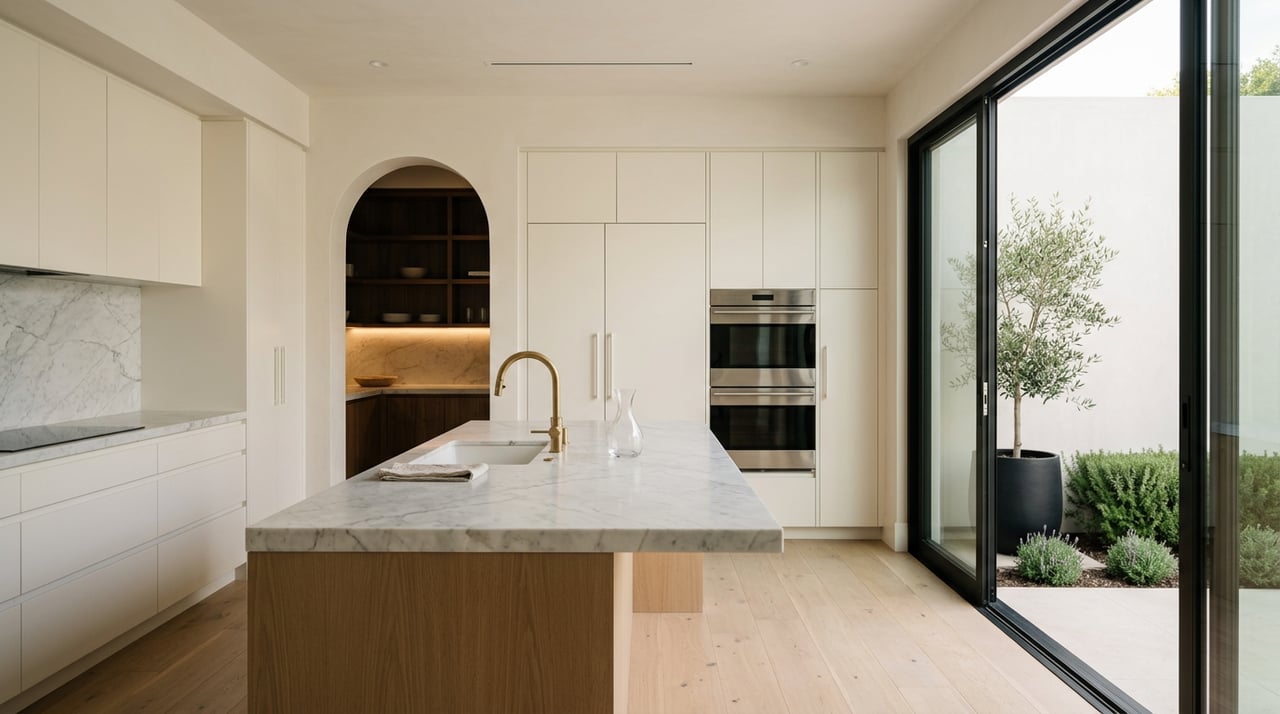
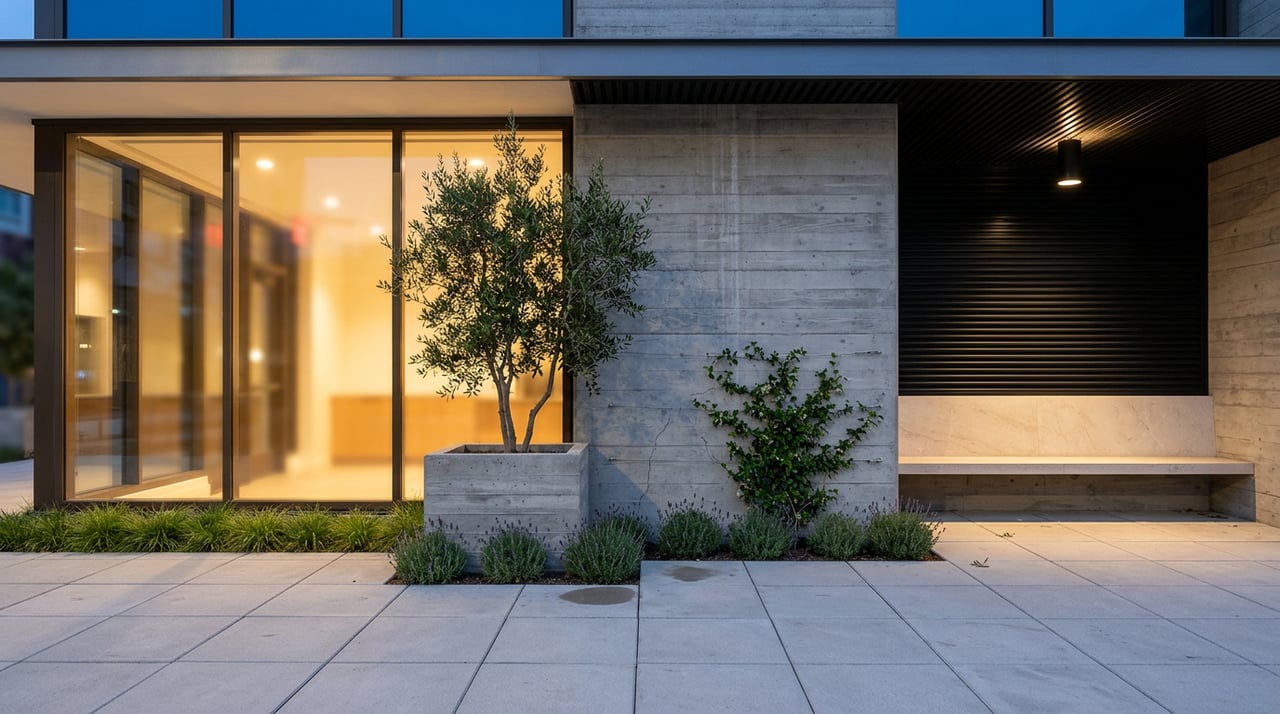
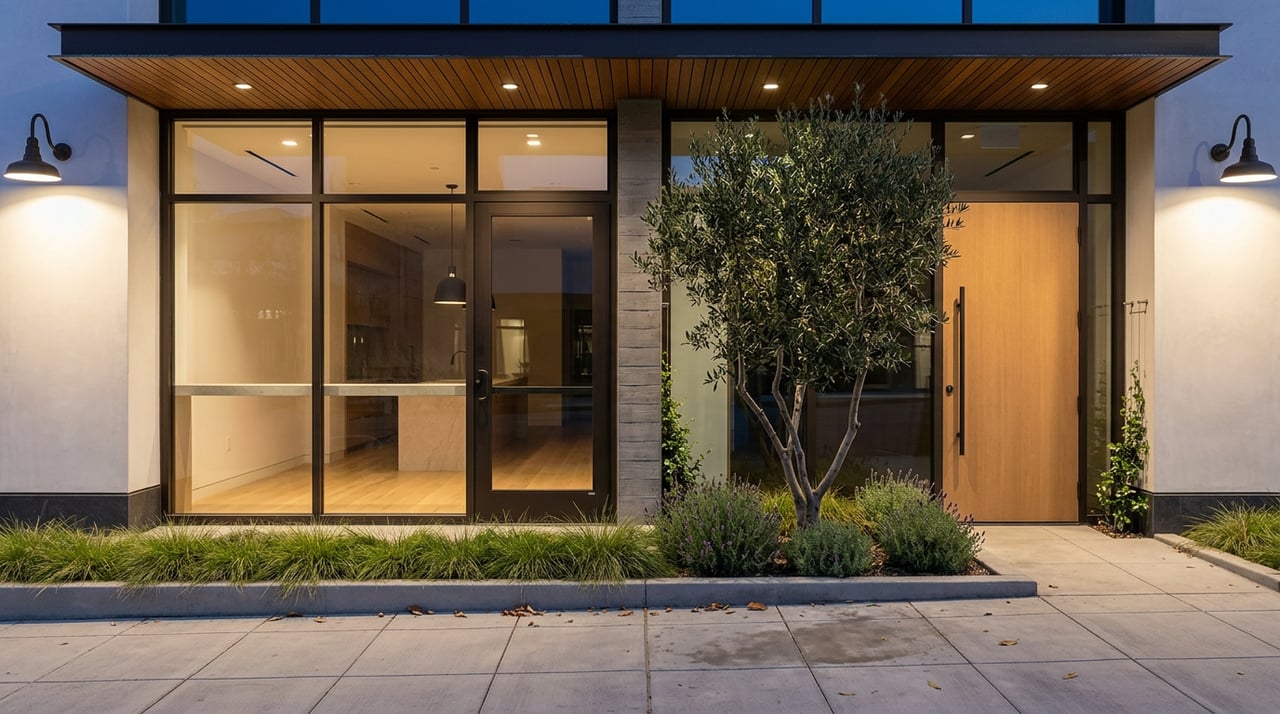
Newer luxury builds prioritize open public spaces, indoor–outdoor flow with large operable glass, and dedicated rooms for work and wellness. Expect spacious primary suites, guest or second suites, home offices, gyms, media rooms, and wine storage. Whole‑house automation, robust networking, and integrated security are standard. You will also see stronger attention to daylighting, energy performance, heat‑pump HVAC, EV readiness, and solar or battery preparedness.
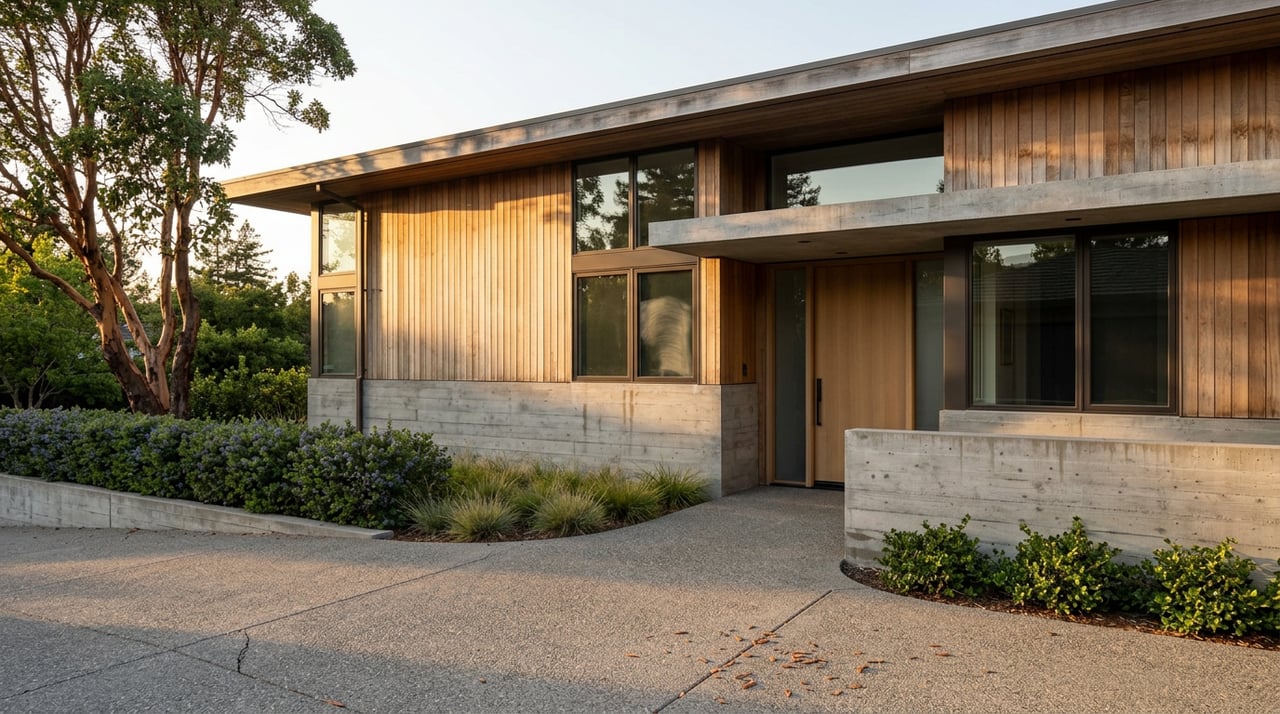
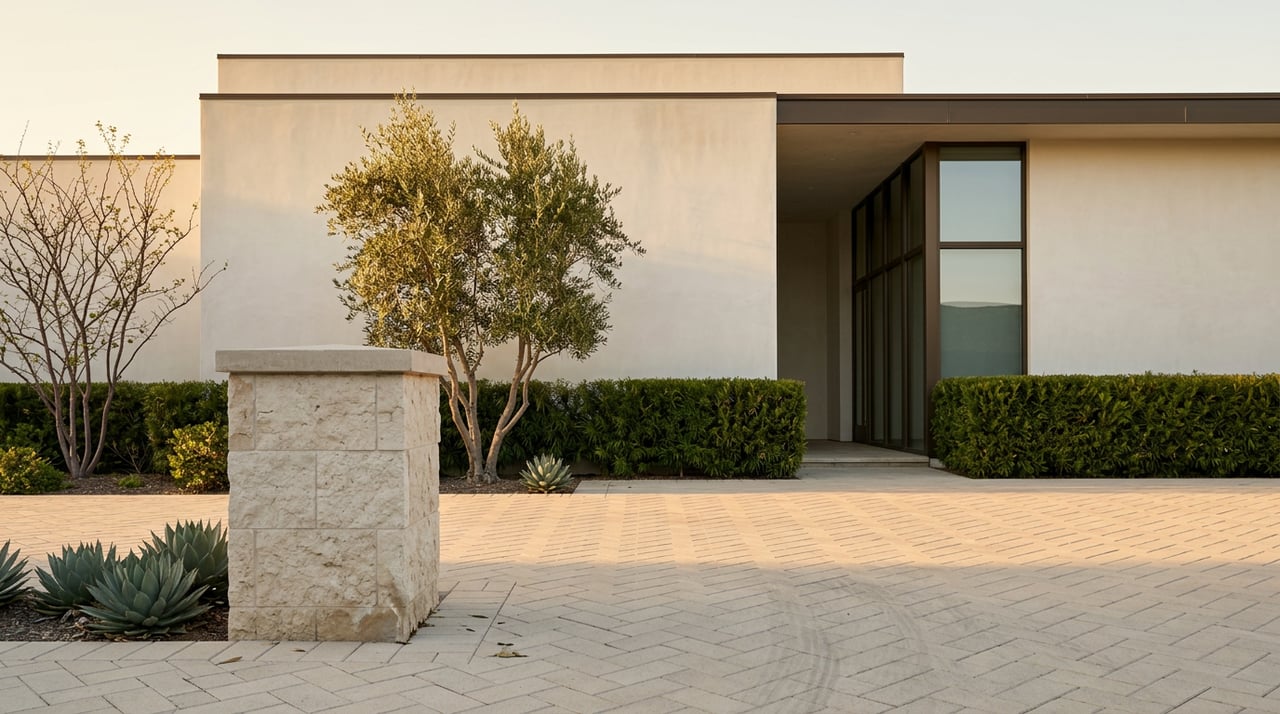
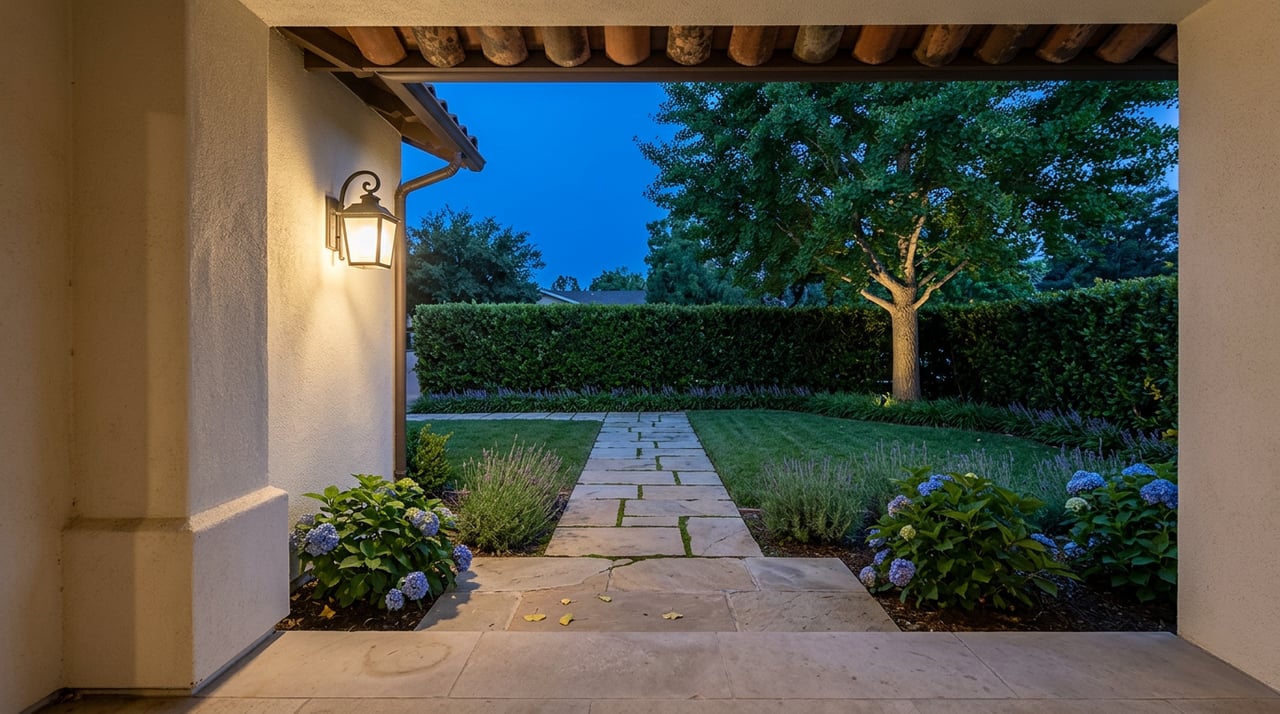
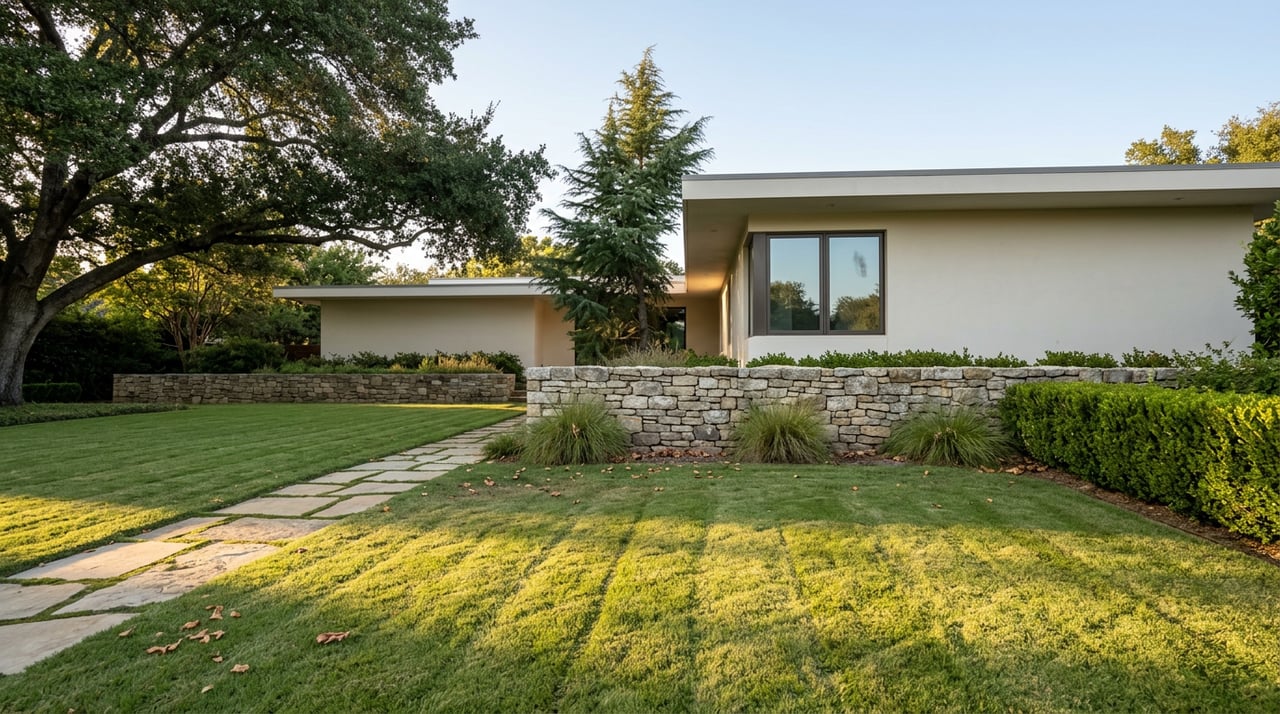
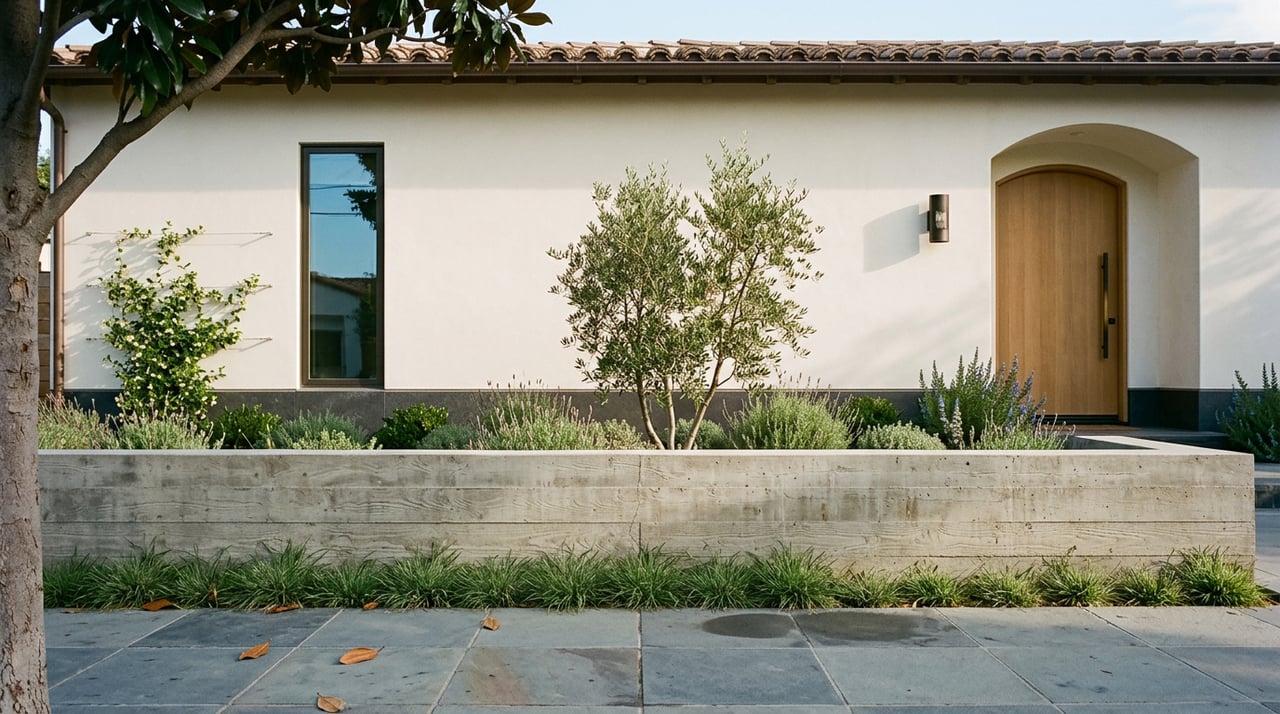
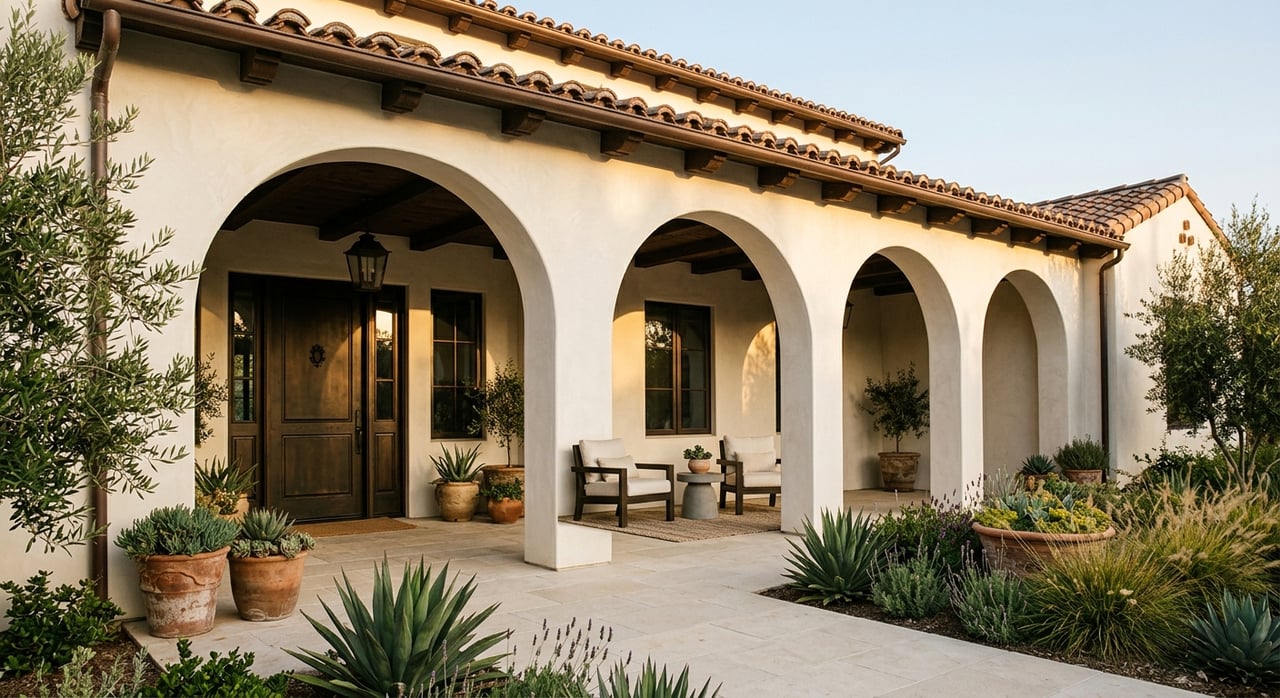
Architecturally, you will encounter a mix of clean contemporary forms, modern farmhouse cues, and refined traditional or Mediterranean references. Style is often owner‑driven, and it is not unusual for a relatively recent house to be replaced if the lot, view, or program calls for a different approach.
Hillsborough is almost entirely single‑family residential with one primary residential zoning district. The town controls size with numerical standards that determine a project’s envelope.
These formulas are central to teardown and rebuild economics because they set the maximum achievable floor area. Many designs push close to the allowed FAR, while careful massing, grading, and partial basements help fit the desired program within the rules.
New homes and many exterior changes go through the Architecture & Design Review Board. The ADRB uses residential design guidelines and meets on a regular schedule. Story poles and neighbor notifications are common for visible projects. Straightforward proposals can move quickly, while complex designs or contentious sites usually require additional rounds.
Sloped parcels trigger hillside standards, which influence grading, retaining walls, and how a house steps with the terrain. Properties in Wildland‑Urban Interface or High Fire Severity Zones must meet fire‑resistant construction standards, defensible space, and landscape fuel‑management requirements. These items are part of plan submittals and inspections.
State laws have expanded opportunities for accessory dwelling units and certain lot splits. Hillsborough has adopted objective standards consistent with state rules, but local lot size and subdivision requirements make these options comparatively limited. Always review the Town’s current guidance for your specific parcel.
In Hillsborough, land value often dominates the equation. Buyers seeking a particular lot, view, or location may choose a full teardown to build a plan that fits current lifestyles, systems, and the permitted floor area. This is why you occasionally see even relatively young homes replaced.
Market trackers place typical Hillsborough values in the multi‑million‑dollar range, often around the 5 to 6 million dollar mark in recent quarters. Exact figures shift with product type and location, so confirm current numbers when you are ready to act.
Custom luxury construction on the Peninsula varies widely with finish level, site complexity, and mechanical systems. Directionally, budgets often fall in the range of roughly 350 to 1,000 plus dollars per square foot. Soft costs for architecture, engineering, fees, and permits frequently add 20 to 35 percent or more on top of hard costs. Significant drivers include grading and retaining walls, tree protection, foundations and waterproofing, high‑end millwork and finishes, pools and outdoor structures, and defensible‑space landscaping.
Weather, inspection scheduling, and supply chain lead times can add variability. A realistic schedule buffer makes life easier.
Upgrades for EV charging, main electrical service, and solar or battery integration can drive additional time. Utility coordination and interconnection can become a non‑construction bottleneck, so plan early. For parcels in WUI or high fire zones, design wildfire‑smart siting, ember‑resistant details, and compliant landscaping from the outset.
In this market, the lot often carries more of the long‑term value than the house vintage. Size, privacy, slope, views, and neighborhood continuity usually matter more than stylistic trends. When you assess a newer home or a potential teardown, confirm the permitted maximum floor area and how closely the design approaches it. Evaluate systems, water management, and resilience features with the same rigor you give to finishes. These steps protect your enjoyment today and your exit options later.
Navigating FAR rules, ADRB review, hillside standards, and wildfire requirements takes local experience. If you are weighing a newer home or a rebuild, you deserve precise guidance on lot value, sizing potential, costs and timelines, plus a vetted team to get it done. The boutique, hands‑on approach of the Laugesen Team combines deep Peninsula roots, development know‑how, and marketing excellence to help you buy, build, or sell with confidence. Request a Complimentary Market & Home Valuation and start planning your next move.

At The Laugesen Team, we use our expertise and commitment to guide you toward the best possible outcome. Let’s begin your journey today.