Burlingame Outdoor Living Guide to Parks and Bayfront Access
May 14, 2026
May 14, 2026
If outdoor access shapes the way you want to live, Burlingame stands out quickly. You are not just looking at a city with parks and paths. You are looking at a place where tree-lined streets, everyday recreation, and bayfront trail access all play a real role in daily life. If you are wondering what that actually feels like on the ground, this guide will walk you through it. Let’s dive in.
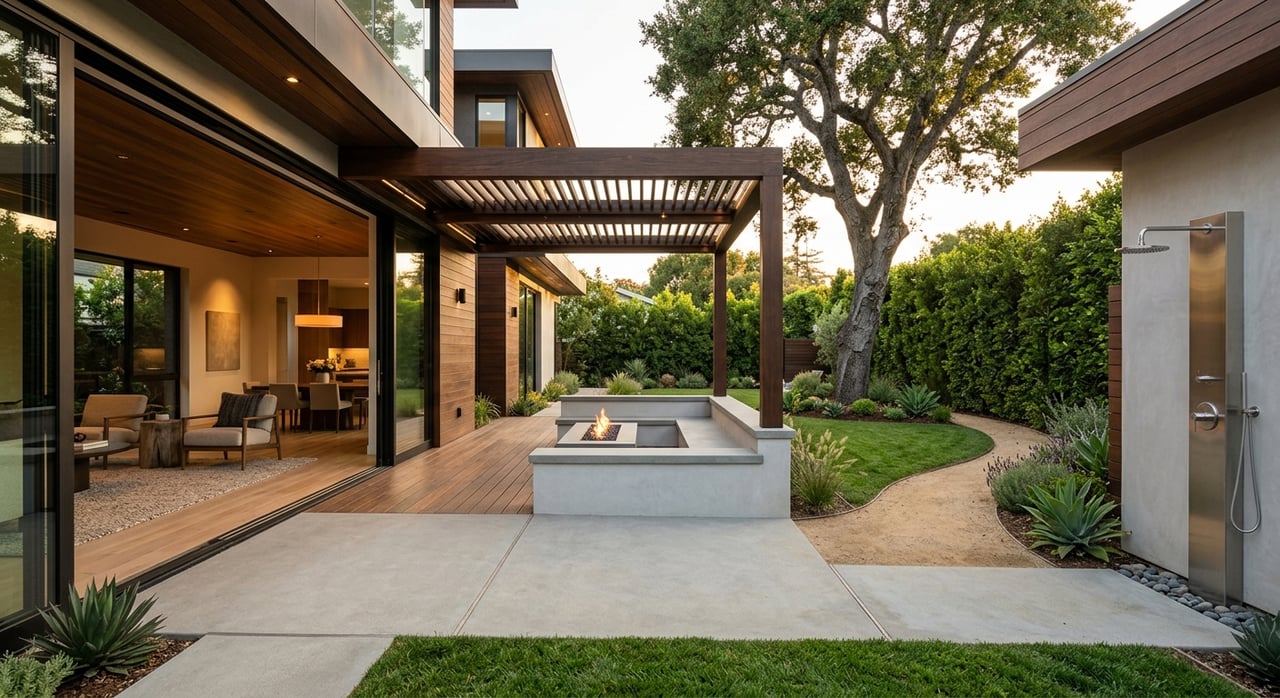
Burlingame is often called the City of Trees, and the city says it has been a Tree City USA community since 1980. That identity is more than branding. Burlingame also has a significant shoreline along San Francisco Bay, which gives residents access to both neighborhood green space and a regional waterfront recreation corridor.
That combination is what makes Burlingame distinctive. Inland, you get shaded streets, local parks, courts, picnic areas, and dog-friendly spaces. Along the bayfront, you get trails, water views, fishing access, bird habitat, and connections into the broader Bay Trail network.
One of the most noticeable parts of outdoor life in Burlingame is the urban forest. The city plants about 400 new trees each year, and each single-family parcel is entitled to one street tree at no charge if one is not already present. Street trees are publicly managed, and Burlingame also has a protected-tree ordinance and arborist process for pruning or removal.
For you as a resident or future buyer, that matters in a practical way. A mature canopy can shape how a block feels for walks, jogs, and casual time outside. It also reinforces the sense that outdoor space in Burlingame is woven into daily life, not limited to a few standout destinations.
Burlingame’s Parks and Recreation Department maintains a wide range of spaces, including large parks with athletic fields, neighborhood parks and tot lots, wildlife areas, and dog parks. That broad mix makes the city useful for many kinds of routines. You can head out for a quick playground visit, a tennis match, a dog walk, or a longer outdoor afternoon without needing to leave town.
Rather than relying on one major park, Burlingame spreads outdoor amenities across different settings. That makes the city feel accessible for everyday use. It also gives buyers a better sense of how outdoor living can fit into different parts of Burlingame.
Washington Park is Burlingame’s oldest park and remains one of its busiest year-round recreation hubs. The city lists baseball and softball, basketball, a dog park, a playground, restrooms, soccer, and tennis. Many of the large trees there date back to the former Gunst Estate, which adds to the park’s established character.
If you want a park that supports a variety of activities in one place, this is one of Burlingame’s clearest examples. It works for active recreation, casual visits, and planned gatherings. The city also offers reservable picnic areas here, including Oak Tree, Olive Tree, and Redwood Grove.
Ray Park offers a more neighborhood-focused outdoor experience. It includes a shaded playground, a recently renovated two-acre turf area, tennis courts, a multi-use court, a dog park, picnic tables, and restrooms.
For many residents, this kind of park shapes how often they get outside. It supports shorter, repeat visits that fit into a normal week. That can be just as important as large destination spaces when you are evaluating lifestyle fit.
Laguna Park is a more casual residential park with two tennis courts, a children’s play area, picnic tables, and a day-use focus. It is not trying to be everything at once. Instead, it gives nearby residents another simple option for spending time outdoors.
That variety matters. In Burlingame, outdoor living is not just about major amenities. It is also about having smaller, usable spaces that make it easy to step outside close to home.
Bayside Fields is home to the city’s largest collection of formal athletic facilities. It includes lighted soccer fields, youth baseball and softball fields, picnic tables, restrooms, several miles of trails for walkers, runners, and cyclists, and a dog exercise park.
This is one of the strongest examples of active outdoor infrastructure in Burlingame. If your routine includes running, team sports, cycling, or dog exercise, Bayside Fields adds real utility. It also helps bridge the gap between neighborhood recreation and the bayfront environment.
If you prefer a quieter, more natural outdoor experience, Mills Canyon Wildlife Area offers a different side of Burlingame. The city describes it as a wildlife area within city limits with a hiking loop, native coastal foothill plants and animals, limited recreation, and volunteer-led hikes and cleanups.
This gives Burlingame some range beyond courts and fields. You can still find a more natural trail setting without leaving the city. For buyers comparing Peninsula communities, that kind of variety can be a meaningful plus.
Burlingame has about 2.5 linear miles of frontage along San Francisco Bay. That shoreline sits between Highway 101 and the bay, creating a distinct bayfront zone rather than a typical residential street grid. In practical terms, the waterfront functions as a defined recreation corridor with specific access points rather than a continuous neighborhood promenade.
That setup still offers strong value for outdoor living. The city’s planning materials show bayfront access concentrated around the Broadway and Highway 101 interchange and along Old Bayshore Highway and Airport Boulevard. Once you are there, the focus shifts from neighborhood strolling to shoreline trails, views, and regional connectivity.
One of Burlingame’s biggest outdoor advantages is its connection to the San Francisco Bay Trail. The regional trail network has more than 350 miles currently in place, with a 500-mile long-term vision. On the Burlingame to Redwood Shores segment, the trail begins at Anza Lagoon, continues south of Fisherman’s Park into Coyote Point, and connects onward to San Mateo’s Shoreline Park.
For you, that means bayfront access is not isolated. It links Burlingame into a much larger walking and cycling system. If you value longer runs, bike rides, or scenic waterfront walks, that regional continuity is a meaningful lifestyle asset.
Outdoor life on the bayfront is not limited to jogging or biking. Fisherman’s Park is identified on the Bay Trail map as a fishing spot with views of Coyote Point and its windsurfers.
That detail matters because it broadens the picture of shoreline recreation. Burlingame’s bayfront is not just a pass-through trail. It also supports pause points where you can stop, take in the view, and use the waterfront in a more relaxed way.
At the mouth of Mills Creek, Shorebird Sanctuary provides a small marshy open space with bird habitat, a paved walking trail, and benches. It is a more low-key shoreline setting than the larger trail corridor.
Spaces like this add texture to Burlingame’s outdoor appeal. You get active recreation in some areas and a quieter nature-oriented experience in others. That balance can make the bayfront feel useful in more than one season or mood.
One of the best ways to understand Burlingame is to think of its outdoor amenities as well managed and frequently usable. The city supports regular outdoor routines, but use is shaped by facility hours, seasonal closures, reservations, and site-specific rules.
That is not a drawback so much as a reality of how the system works. It helps explain why Burlingame feels strong for repeated outdoor use while still operating with clear boundaries around maintenance, habitat protection, and field conditions.
Some facilities offer long daily windows. For example, the Bayside Dog Exercise Park is open from 6:00 a.m. to 9:00 p.m. daily, with a Thursday morning maintenance closure. Washington Park Sports Court is open from sunrise to 9:00 p.m.
At the same time, not every amenity is available year-round in the same way. The city closes natural turf athletic fields during December, January, and February to let the fields rest and avoid wet-weather damage. Other closures can also happen for maintenance.
Park rules also influence the day-to-day experience. Dogs must be on leash at all times except in designated off-leash areas. Alcohol is not allowed in city parks, and personal barbecues are limited to paved surfaces and prohibited at Murray Field, Mills Canyon, and Shorebird Sanctuary.
These details may sound small, but they help set expectations. If you are planning regular park use, group gatherings, or dog outings, knowing the rules can make the experience more straightforward.
If outdoor entertaining matters to you, Burlingame offers structured picnic reservations. Residents can reserve picnic areas up to a year in advance, including designated spaces at Washington Park.
That is worth noting because it reflects the city’s approach more broadly. Burlingame gives you many ways to be outside, but it often does so through managed systems rather than informal first-come-only use.
If you are considering a move to Burlingame, the outdoor story is strong. You are not choosing between a park-focused city and a waterfront city. You are getting both, with different types of access depending on where and how you like to spend time outside.
For some buyers, the draw will be the tree canopy and neighborhood parks that support a steady daily rhythm. For others, it will be the ability to reach bayfront trails, shoreline views, and connected cycling or walking routes. Either way, the city offers a layered outdoor lifestyle that feels practical, not just promotional.
That local texture can be especially helpful when comparing homes and micro-locations within Burlingame. Some properties may feel closer to shaded residential recreation, while others may offer easier access to the bayfront corridor. Understanding that difference can help you choose a home that fits the way you actually want to live.
If you are weighing a move in Burlingame or anywhere on the Peninsula, the Laugesen Team can help you evaluate not just the home, but the day-to-day lifestyle that comes with its location.

At The Laugesen Team, we use our expertise and commitment to guide you toward the best possible outcome. Let’s begin your journey today.