Comparing Burlingame West Side Neighborhoods for Buyers
June 4, 2026
June 4, 2026
If you are choosing between Burlingame’s west-side neighborhoods, the difference is not just price. Easton Addition and Burlingame Park may share tree-lined streets and classic early Burlingame character, but they can feel very different once you start weighing walkability, lot size, inventory, and long-term fit. If you want to understand how these two neighborhoods compare before you tour homes, this guide will help you focus on what matters most. Let’s dive in.
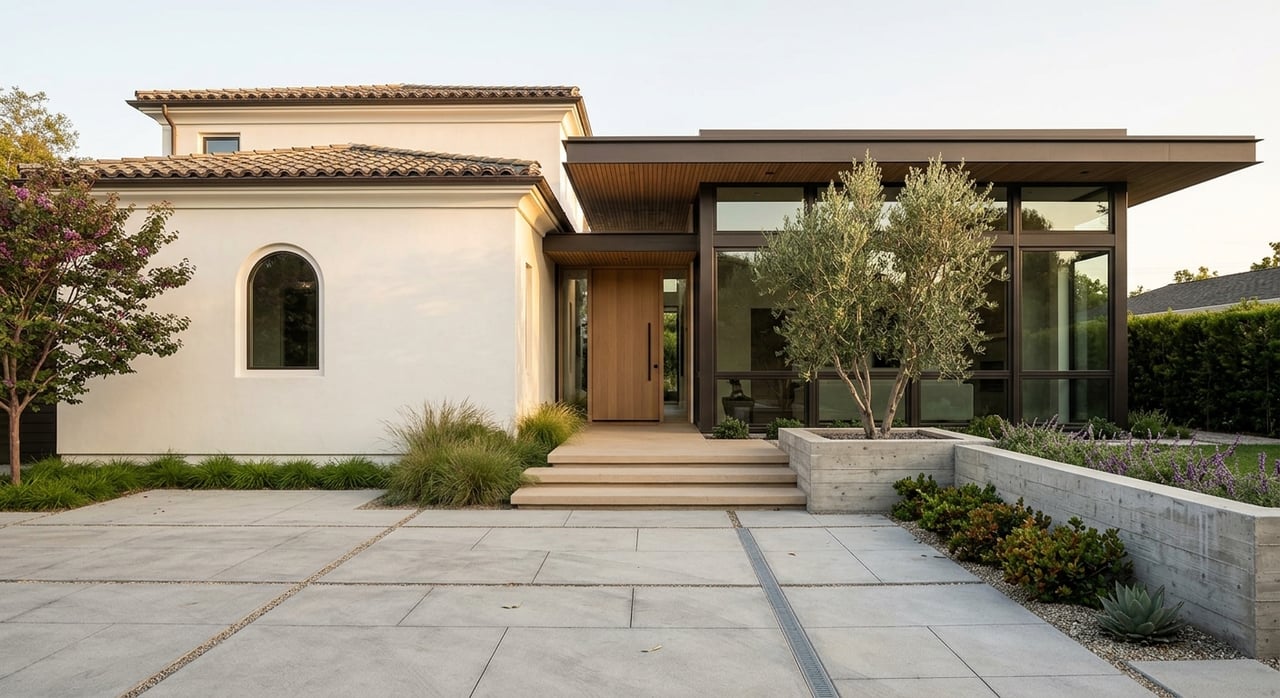
Both Easton Addition and Burlingame Park are among Burlingame’s earliest neighborhoods. The City of Burlingame’s General Plan notes that the character of these early areas still shows up in well-preserved homes along tree-lined streets.
That shared backdrop matters when you buy here. In both neighborhoods, you are looking at established residential areas with mostly single-family homes, low-rise surroundings, and a strong sense of continuity from block to block.
There is also an important practical point for buyers considering renovations or rebuilding. Burlingame’s residential design review process evaluates neighborhood compatibility, setbacks, lot coverage, height, and parking, so future plans for a property need to be viewed through that framework.
Easton Addition began with Ansel Mills Easton’s subdivision of the former Easton estate in 1905 and was annexed to Burlingame in 1910. The original subdivision stretched between California Drive and El Camino Real, from Broadway to Sanchez Creek.
For today’s buyers, Easton Addition usually feels a little broader and more varied. Its housing stock includes a mix of older architectural styles and newer homes, and the neighborhood’s history includes everything from early homes with later alterations to larger parcels and even triple-lot properties.
That variety can create more choice in the market. A current neighborhood snapshot reports about 1,559 homes and a 2025 median sale price of $3.68 million, which helps explain why buyers typically see more repeat inventory here than in Burlingame Park.
Easton Addition tends to orbit around Broadway for day-to-day errands and amenities. The City identifies Broadway as the north-side neighborhood retail and service center, with direct access to commercial and retail services.
The area also benefits from nearby community resources. The Easton Branch Library is on Easton Drive, and Ray Park sits close by with a playground, dog park, tennis courts, basketball, softball, soccer, picnic areas, and restrooms.
For buyers, that often translates into practical convenience. If you want a neighborhood with more architectural variety and easier access to everyday services, Easton Addition stands out.
Burlingame Park began in 1893 as a garden-suburb development west of El Camino Real. Historic planning records describe curving roads, landscape design by John McLaren, and an original concept that combined country-club style living with rail access and urban convenience.
Today, that history still shapes the neighborhood’s identity. Like Easton Addition, Burlingame Park retains early Burlingame character, but the feel is often more tightly curated and more preservation-sensitive.
The neighborhood is also smaller and scarcer. A current market snapshot reports about 454 homes and a 2025 median sale price of $3.8 million, with very limited turnover compared with Easton Addition.
Burlingame Park is widely seen as the closest walkable residential pocket to Downtown Burlingame and Burlingame Avenue. For many buyers, that is one of its biggest advantages.
Lot size is another differentiator. While Burlingame’s early subdivisions often used lots of roughly 6,000 square feet, 7,500-square-foot lots are more common in Burlingame Park, giving the neighborhood a meaningful size step up in many cases.
There is also a stronger preservation culture here. City records and public comments tied to neighborhood planning and infrastructure work reflect a clear emphasis on maintaining Burlingame Park’s beauty, history, and cohesiveness.
If you want the cleanest shorthand, it is this: Easton Addition offers broader inventory, more architectural variety, and easier Broadway access. Burlingame Park offers tighter inventory, closer walkability to Burlingame Avenue, and a stronger preservation feel.
That difference shows up in the buying experience. In Easton Addition, you may have more chances to enter the neighborhood over time because there are simply more homes. In Burlingame Park, buyers often need to be ready for fewer opportunities and stronger competition when the right property appears.
Easton Addition’s larger housing count gives buyers more potential entry points. Even in a competitive market, the neighborhood’s size can create more options across home style, lot configuration, and condition.
Burlingame Park is different. With a much smaller number of homes and limited turnover, it often feels more exclusive, and buyers may need more patience.
Your day-to-day habits should play a big role in your choice. If you picture yourself heading more often toward Broadway’s neighborhood-serving retail and services, Easton Addition may feel more natural.
If being close to Downtown Burlingame and Burlingame Avenue is a priority, Burlingame Park has the edge. That walkable relationship to the downtown core is one of the neighborhood’s defining features.
Burlingame Park often appeals to buyers who want somewhat larger lots and a more spacious garden-suburb feel. The prevalence of 7,500-square-foot lots can be a meaningful advantage if yard space or building envelope matters to you.
Easton Addition, by contrast, reflects more of Burlingame’s roughly 6,000-square-foot historic subdivision pattern. That does not mean there are no larger parcels, but the overall pattern is more varied and often more compact.
Easton Addition is the more mixed architectural environment. Buyers may see turn-of-the-century bungalows, Victorians, Arts and Crafts cottages, altered historic homes, and newer construction in the same broader area.
Burlingame Park tends to feel more cohesive. Its original garden-suburb planning and stronger preservation mindset often create a more unified visual experience from street to street.
Some buyers are drawn to these neighborhoods for their long-term upside, not just their current condition. If that sounds like you, the main takeaway is simple: both neighborhoods fall under Burlingame’s design-review framework.
That means a teardown or major addition is not just about whether a lot can physically hold a larger home. Compatibility with the neighborhood, along with setbacks, lot coverage, height, and parking, all matter.
For rebuild-minded buyers, lot size becomes especially important. Burlingame Park may offer an edge in some cases because larger lots are more common, but neighborhood context and review standards still shape what is realistic.
For some buyers, the best answer is not choosing one of these two neighborhoods outright. It is looking near the edge of Easton Addition and considering the Ray Park area as a bridge option.
Ray Park offers a fully equipped neighborhood park and sits right next to Easton Addition’s day-to-day amenity network. If you want a central Burlingame location with strong neighborhood convenience but are not set on paying a Burlingame Park premium, this area deserves a closer look.
The best neighborhood for you depends on what you value most in daily life. A home search here gets clearer when you define your priorities before you fall in love with a specific house.
Ask yourself:
If your priority is flexibility and a broader pool of homes, Easton Addition may be the stronger match. If your priority is scarcity, larger lots, downtown walkability, and a more preservation-oriented setting, Burlingame Park may be worth the premium and the wait.
In a market like Burlingame, small neighborhood differences can shape your daily routine and your long-term satisfaction far more than buyers expect at first. Having a local strategy before you start touring can save time and help you move decisively when the right home comes up.
If you want help comparing homes in Easton Addition, Burlingame Park, or nearby pockets of Burlingame, the Laugesen Team brings local neighborhood insight, hands-on buyer guidance, and development-aware perspective to help you make a confident move.

At The Laugesen Team, we use our expertise and commitment to guide you toward the best possible outcome. Let’s begin your journey today.