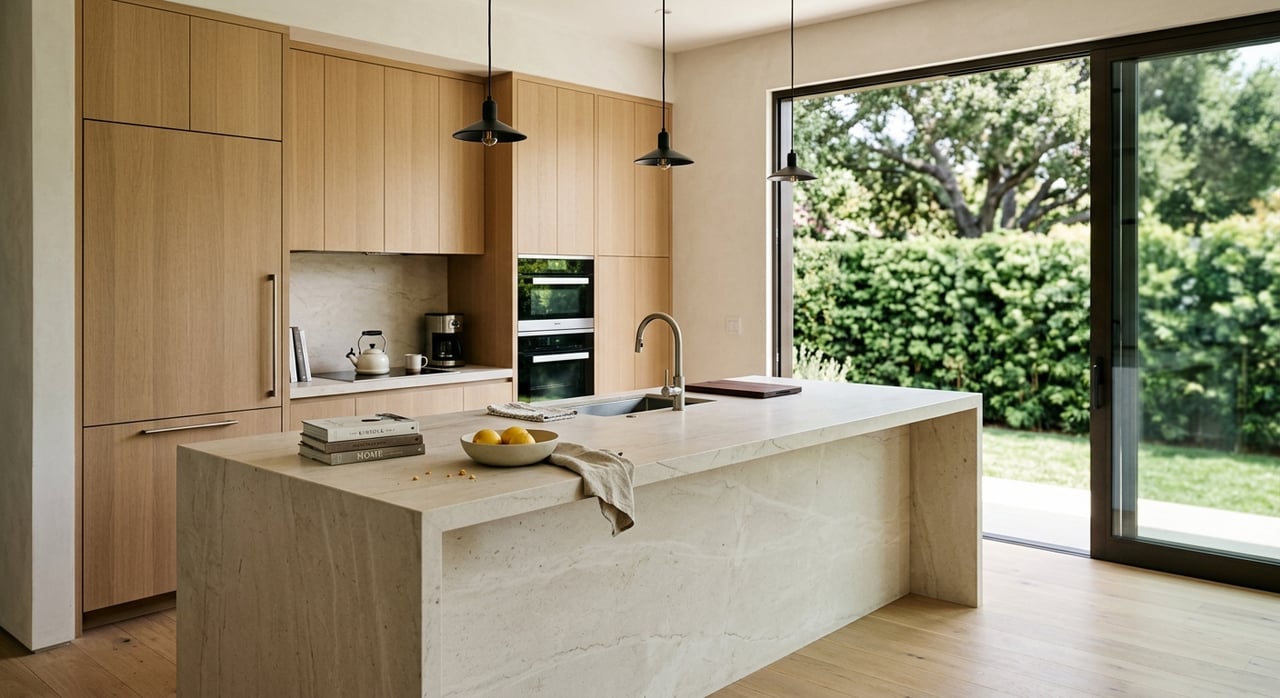
Selling an Occupied San Mateo Home Successfully
June 25, 2026
June 25, 2026
Wondering if you can sell your San Mateo home without moving out first? You can, but it takes more than keeping things tidy. In a fast-moving market, buyers often form their opinion in the first few days, so your home needs to feel ready from the start while still functioning for your everyday life. The good news is that with the right plan, you can protect your routine, stay compliant, and present your home at a high level. Let’s dive in.
Selling while you still live in the home can work well in San Mateo, but it rarely works well without structure. In the three months ending May 2026, San Mateo home prices were up 13.0% year over year, with a median sale price of about $1.76 million and average days on market of 13.
That pace matters because there is often very little time to adjust after your listing goes live. If buyers see cluttered rooms, hard-to-access spaces, or unfinished prep in the first round of photos and showings, that early impression can stick.
An occupied sale is really a short-term operations project. You are balancing pricing goals, marketing presentation, disclosures, and daily life all at once. When you plan ahead, the process feels much more manageable.
The biggest mistake occupied sellers make is trying to finish preparation after the home is listed. In San Mateo, that can be risky because the first wave of buyer interest may come quickly.
Your goal is to front-load the work. That means getting the home photo-ready, disclosure-ready, and showing-ready before the first buyer walks through.
A strong pre-list plan usually includes:
If you still live in the home, this planning stage matters even more. It helps you avoid scrambling once buyer traffic begins.
You do not need to make every room look like no one lives there. Instead, focus your energy where it matters most.
According to NAR’s 2025 Profile of Home Staging, 83% of buyers’ agents said staging made it easier for buyers to visualize a property as their future home. The rooms most commonly staged were the living room, primary bedroom, and dining room.
That gives you a practical staging order for an occupied San Mateo home. Start with the spaces buyers notice first, then improve secondary areas as needed.
This approach works well because it protects your time and budget. It also helps you maintain daily routines while still presenting the home in a polished, market-ready way.
Buyers are trying to picture their own lives in the home. The easier that feels, the stronger your showing experience tends to be.
That does not mean your home must look empty or cold. It means personal and everyday items should be edited so rooms feel open, calm, and easy to understand.
A few simple changes can make a big difference:
For occupied sellers, simplicity wins. The easier it is to reset your home each day, the more consistent your presentation will be.
California disclosure rules make this especially important. California Civil Code section 1102 applies to residential property transfers, and the Transfer Disclosure Statement is a condition disclosure rather than a warranty or a substitute for inspections.
California DRE materials also state that listing and selling agents must complete a reasonably competent and diligent visual inspection of accessible areas and disclose material facts affecting value, desirability, and intended use. In practical terms, that means buyers and agents will pay attention not only to your styled rooms, but also to spaces they can reasonably access.
For an occupied home, that makes orderliness more than a presentation issue. It is also part of a smoother disclosure process.
You do not need perfection. You do need clear access and a home that feels cared for.
A smooth occupied sale is not just about photos and showings. It is also about having a complete and defensible disclosure packet ready early in the process.
California materials note that environmental hazard information may cover issues such as asbestos, formaldehyde, radon, lead, fuel or chemical storage tanks, and contaminated soil or water. If any of these topics may affect your property, it is better to review them before escrow rather than under pressure later.
Early disclosure prep can help reduce surprises, avoid delays, and support buyer confidence. It also helps you make better decisions about repairs, pricing, and timing before the listing launches.
San Mateo sellers should also confirm whether the property falls within mapped hazard areas. The California Geological Survey says sellers must disclose if a property is located in a mapped seismic hazard zone.
The San Mateo Consolidated Fire Department also posts Fire Hazard Severity Zone maps for the City of San Mateo and directs residents to Cal Fire’s address-based lookup tools. This is why hazard paperwork should be reviewed early, not left until escrow is already moving.
If your home is in one of these mapped areas, that does not automatically stop a sale. It simply means you should be prepared with accurate information from the beginning.
If your San Mateo home was built before 1978, lead-based paint rules deserve special attention. Sellers of most pre-1978 housing must disclose known lead-based paint information before a sale.
This matters even more if you are planning quick touch-ups before listing. Sanding, repainting, window work, or other projects that disturb painted surfaces can create lead dust.
EPA guidance says paid contractors doing this type of work in pre-1978 homes must be certified and use lead-safe work practices. If your pre-list improvement plan includes surface disturbance, using a lead-safe contractor is the lower-risk choice.
For most occupied sellers, showings are the hardest part. The challenge is not one open house or one appointment. It is the repeated interruption to work, meals, kids, pets, and normal routines.
A predictable system makes this easier. In a market where homes often move quickly, it helps to decide your showing rhythm before the listing goes live.
This kind of system reduces decision fatigue. It also helps your home stay consistently ready during the most active days on market.
The details of daily life matter more than most sellers expect. A showing goes more smoothly when everyone in the household knows exactly what to do.
Think through the friction points in advance. If you work from home, have pets, or have young children, a simple plan can save a lot of stress.
The goal is not to pause your life completely. It is to make short-term disruptions easier to manage while your home is being actively shown.
You can stay in the house during a showing, but it is usually easier to step out. Buyers tend to tour more comfortably when they have space, and agents need access to inspect accessible areas.
Even a short walk, coffee run, or errand can make the experience better for everyone. If leaving is difficult, try to stay out of the main touring path and keep interruptions to a minimum.
In most cases, stepping out helps buyers focus on the home itself. That can support a better overall impression.
An occupied San Mateo home can absolutely sell smoothly and successfully. The key is to treat the sale like a temporary, well-managed project rather than a day-by-day scramble.
When you complete disclosures early, stage the highest-impact rooms first, and build a realistic showing system, you give your home a stronger launch and make the process much easier on yourself. In a market as active as San Mateo, preparation is often what turns inconvenience into confidence.
If you are thinking about selling while still living in your home, the right guidance can make all the difference. The Laugesen Team can help you create a clear plan for pricing, preparation, marketing, and showings so you can move forward with less stress and a more polished result.







At The Laugesen Team, we use our expertise and commitment to guide you toward the best possible outcome. Let’s begin your journey today.