Hillsborough Architectural Styles And Buyer Considerations
June 18, 2026
June 18, 2026
If you are shopping for a home in Hillsborough, the architecture is not just about curb appeal. It can shape your renovation options, maintenance costs, review timeline, and even how you use the property over time. Knowing what to look for before you write an offer can help you buy with more confidence and fewer surprises. Let’s dive in.
Hillsborough stands out for its curving roads, mature landscaping, and wide mix of home styles. The town’s Residential Design Guidelines place real emphasis on both the house and its setting, including site planning, massing, materials, roofs, windows, doors, and landscape design.
That matters because most exterior changes require both design approval and a permit. The town also expects new residences to be rooted in an authentic source style rather than a loose imitation, which tells you how seriously design consistency is treated here.
The town’s general plan gives buyers a useful way to understand the local housing stock. It groups historic housing into early subdivisions from 1885 to 1915, great estates from 1900 to 1930, and later subdivisions from 1916 to 1940.
When you tour Hillsborough, you may see major differences from one property to the next, even on the same drive. Some homes reflect estate-era scale and formal detailing, while others offer more straightforward layouts and renovation flexibility.
Hillsborough specifically identifies several styles that buyers are likely to encounter. These include Romanesque, Victorian Second Empire, Bay Region, French Eclectic, Tudor, California Ranch, and Modernism.
Each style brings a different mix of charm, upkeep, and design-review considerations. Understanding those tradeoffs early can help you match the house to your lifestyle and budget.
Romanesque Revival homes are often associated with rough-cut masonry, round arches, and towers. Second Empire homes are typically defined by mansard roofs, dormers, and more elaborate ornament.
For you as a buyer, these homes often offer a strong sense of presence and history. They can also require a careful renovation approach, especially when roof forms, masonry, and facade details are central to the home’s character.
Tudor Revival houses commonly feature steeply pitched roofs, asymmetrical shapes, half-timbering, brick or stone, and tall narrow windows. These homes often feel rich in character from the moment you arrive.
That same character can make updates more complex. If you plan an addition or exterior remodel, matching materials, rooflines, and detailing may take more time and planning.
Bay Region homes are known for vertical emphasis, projecting bays, rich wood interiors, redwood shakes, and log pilasters. In practical terms, these homes often feel deeply connected to their site and craftsmanship.
If you love natural materials and architectural warmth, this style can be especially appealing. At the same time, additions usually need to respect the original material palette and proportions to feel appropriate within the home’s design.
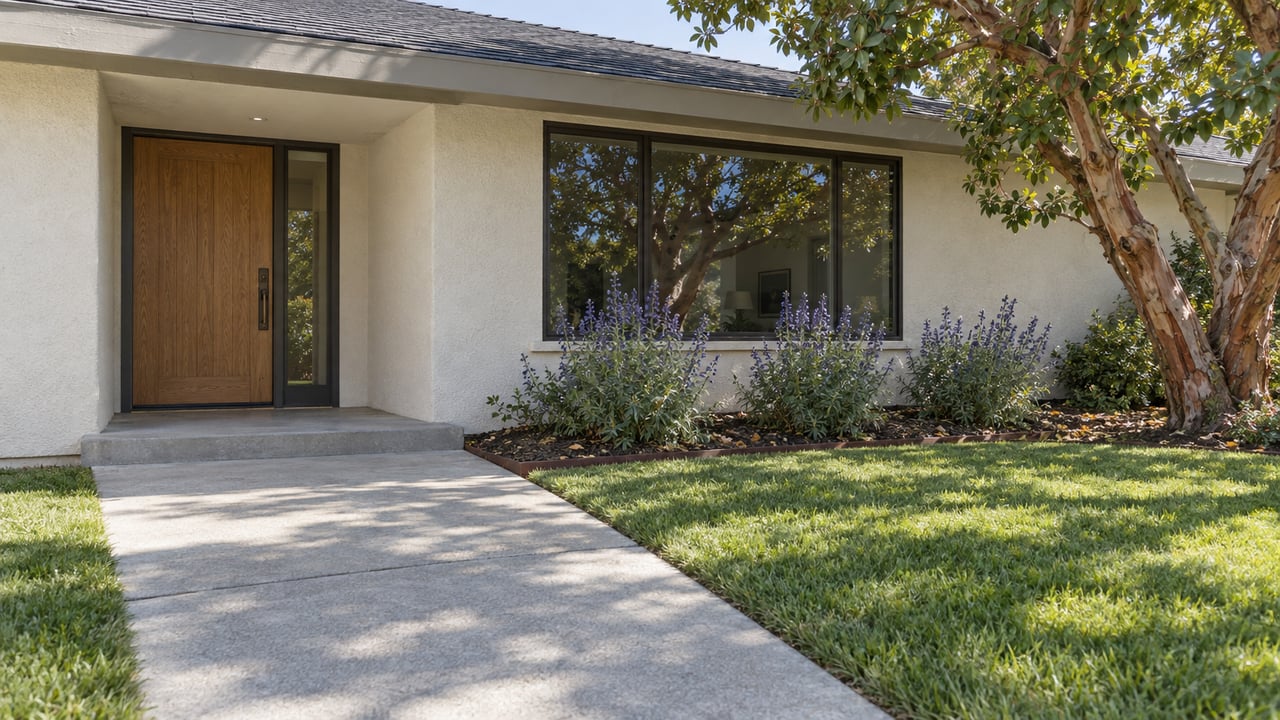
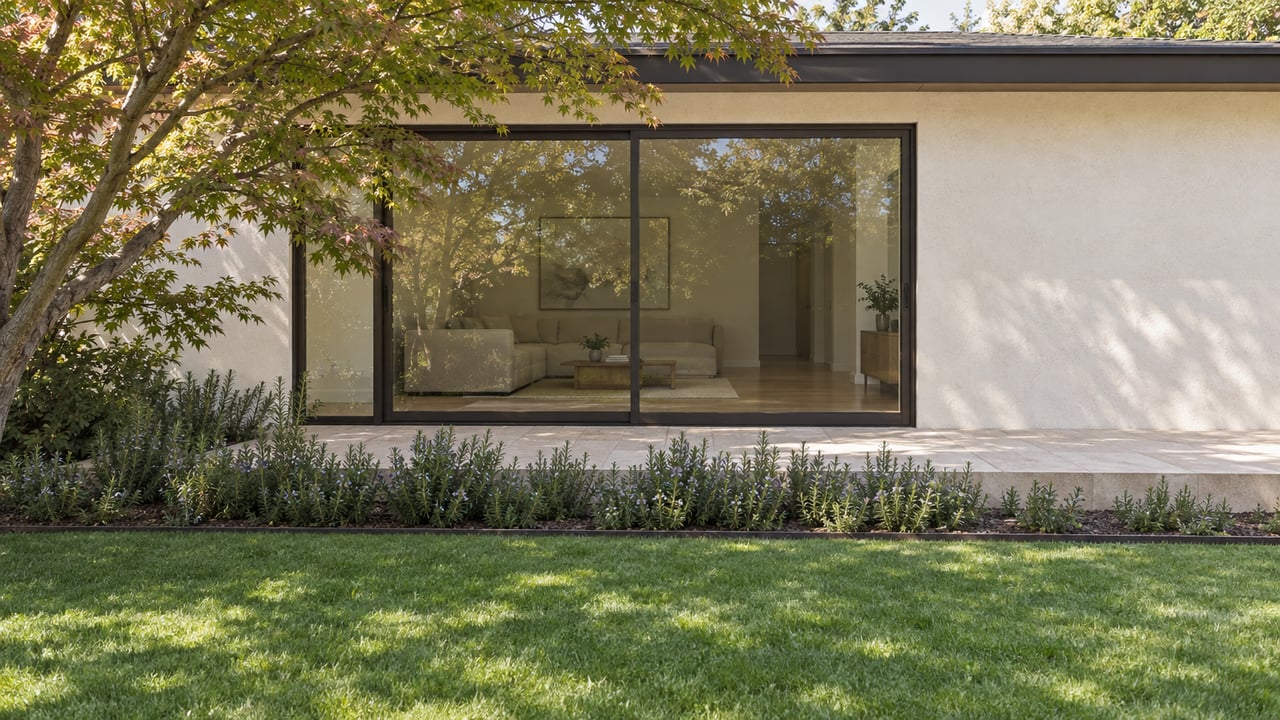
California Ranch homes are usually single-story with low-pitched roofs, wide eaves, grouped windows, open floor plans, and attached garages. Patios and garden areas often sit behind the house, which can support an easy indoor-outdoor layout.
For many buyers, Ranch homes can be simpler to rework inside than older estate properties. Still, their long, low profile means additions can be visually prominent, so design changes may draw closer attention.
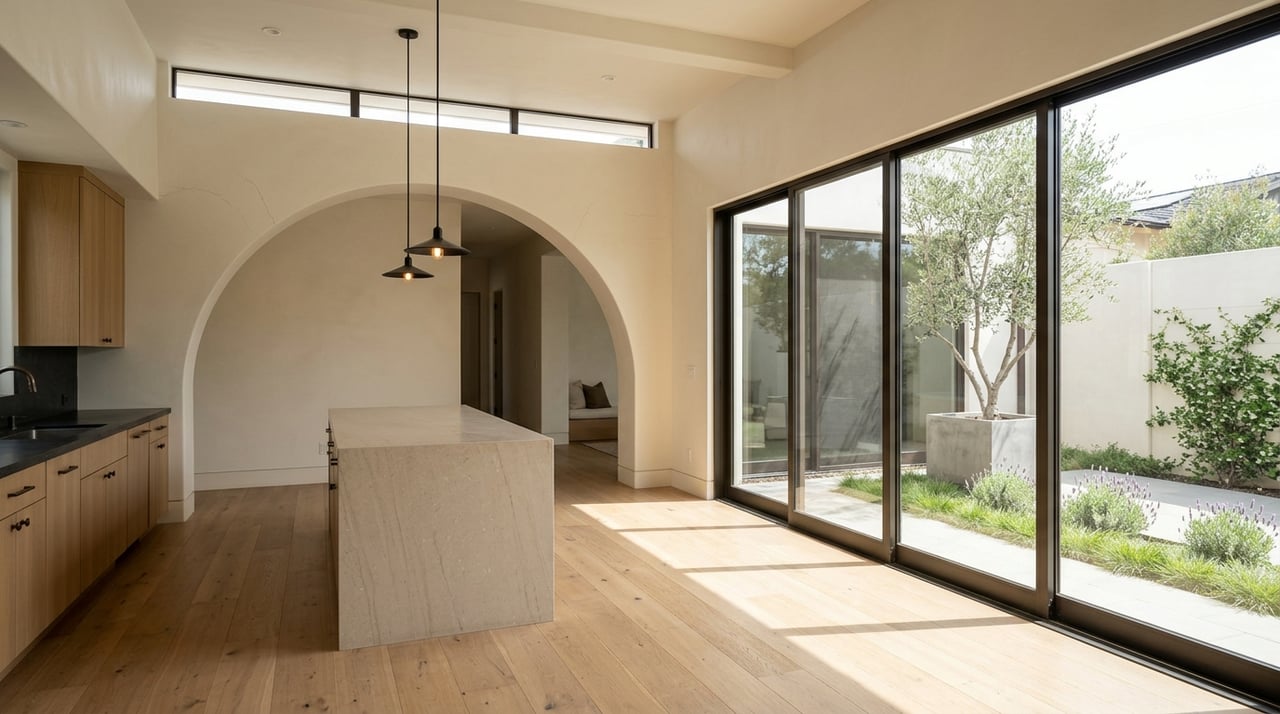
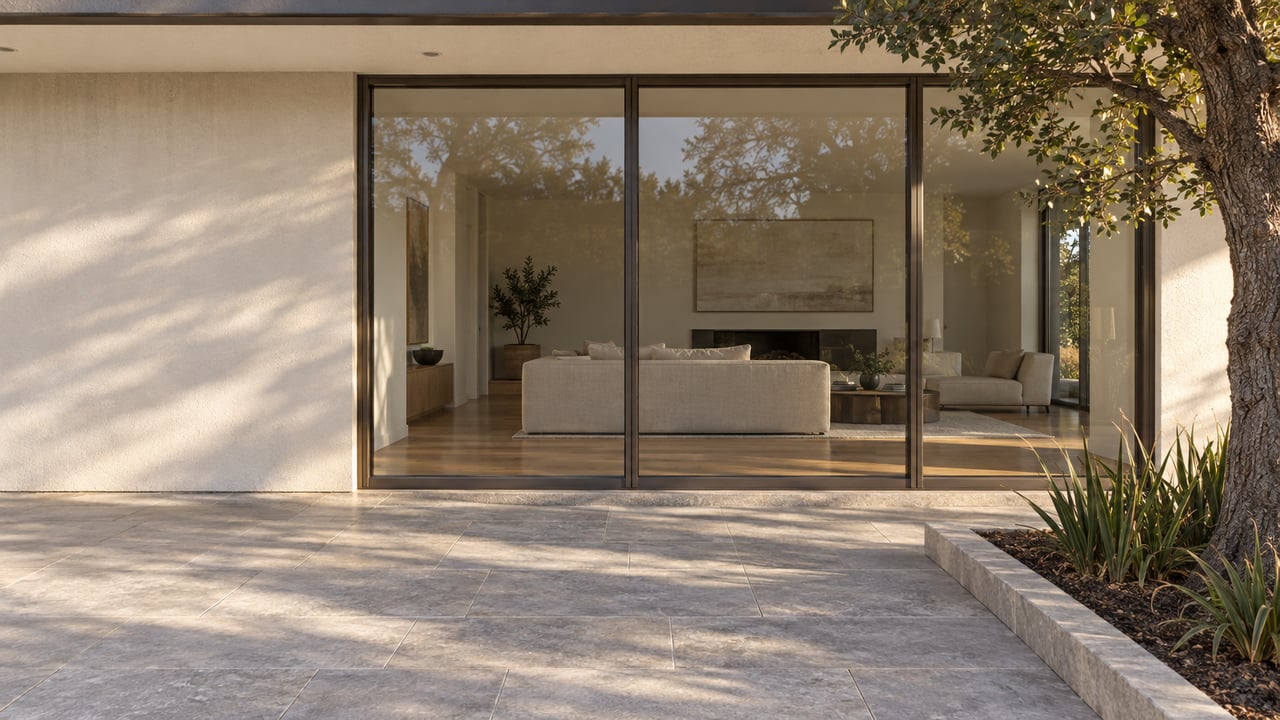
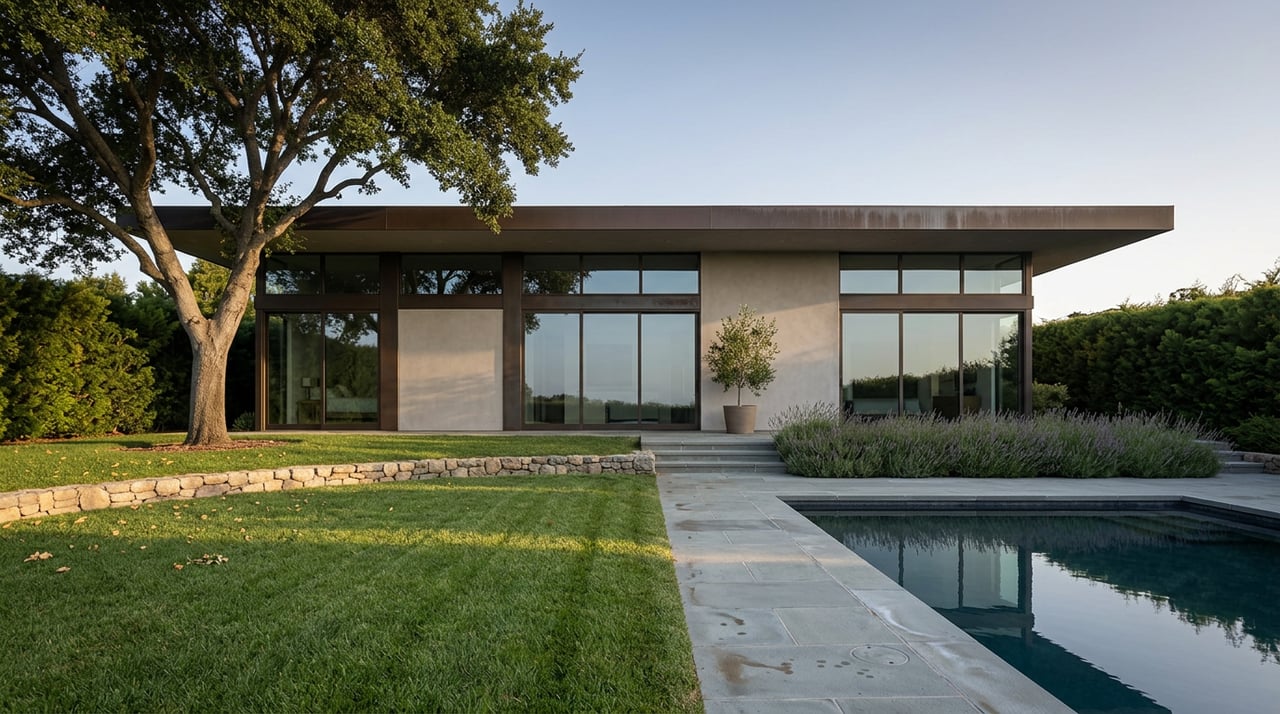
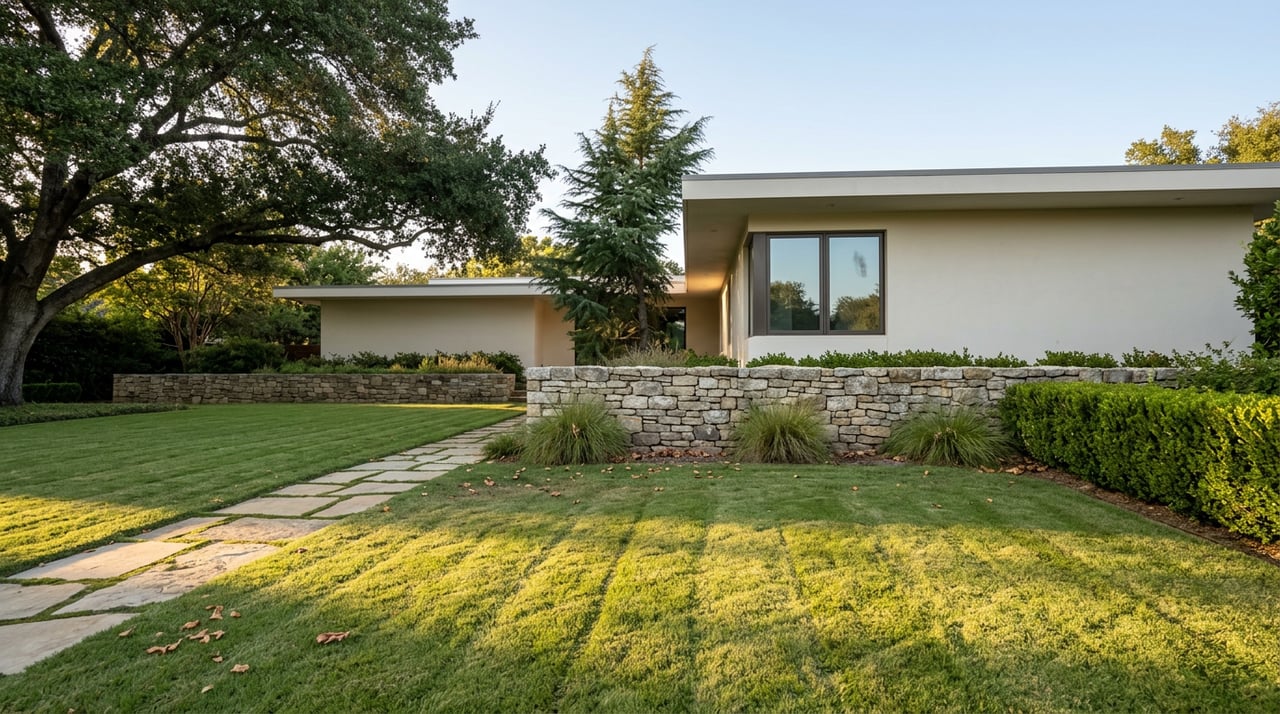
Modernist homes in Hillsborough often feature long, low forms along with generous glass and steel. These homes can offer a clean, open feel that appeals to buyers who want a more contemporary lifestyle fit.
Hillsborough notes that modernism is not the town’s predominant style and receives a higher level of scrutiny in preliminary design review. If you are considering a major remodel or a bold design direction, that can mean a more involved review process.
In Hillsborough, the right due diligence goes beyond square footage and finishes. Before you move forward, it helps to understand how the home’s style, age, and site could affect future work.
Here are a few smart questions to raise early:
These questions matter because Hillsborough’s review process is structured and design-focused. A house that looks simple to update at first glance may involve more approvals than expected.
Hillsborough adopted a Historic Preservation Ordinance for identified historic structures. The town’s general plan references examples such as The Carolands, La Dophine, Skyfarm, Uplands II, and The White House, and notes that the Planning Division handles related historic and environmental assessments under CEQA.
For buyers, the key takeaway is simple: if a property is an identified historic structure or may qualify as a historic resource, renovation plans can become more sensitive and more regulated. Character-defining exterior elements like masonry, roof forms, windows, porches, and ornamental details may play a major role in what can be changed.
Not every project follows the same path in Hillsborough. The town’s planning materials say administrative review may apply to smaller additions under 500 square feet when there are no style or exterior material changes.
Major remodels, style changes, larger additions, visible second stories, new houses, and tear-downs go to the Architectural Design Review Board, or ADRB. If your purchase decision depends on a future expansion, this is one of the most important conversations to have before closing.
In Hillsborough, buyers should pay close attention to the lot itself. The town’s general plan says development should work with natural topography and drainages to reduce grading.
That means slope, access, setbacks, height limits, house-size standards, and parking rules can all influence what is realistic. A beautiful hillside parcel may offer privacy and views, but it can also bring more design constraints than a flatter site.
Fire exposure is an important part of the Hillsborough buying equation. San Mateo County says California WUI building codes apply to new buildings in High and Very High fire hazard zones in Local Responsibility Areas.
In Very High zones, defensible space and other wildfire-safety practices are required. Hillsborough’s planning materials also state that new construction and teardowns in WUI and HFSZ areas require fire-resistant materials along with defensible-space and vegetation-management plans.
For you, this can affect both design and cost. If you are considering a new build or major reconstruction, fire-zone requirements should be part of your early budgeting and planning.
Landscaping is a big part of Hillsborough’s identity, and local rules reflect that. The town updated its tree ordinance in 2023 and now treats trees that are 18 inches or more in diameter as protected trees.
This can matter a great deal if your plans involve a new driveway layout, a pool, an addition, or broader site changes. The town’s planning materials also reference water-efficiency landscape requirements and certified irrigation review for certain landscape plans.
Even after approvals, the construction phase in Hillsborough comes with clear operating rules. The town’s construction-impacts ordinance requires on-site construction parking, screening for materials and portable toilets, neighbor notice, shorter completion time limits, deposits, and pre-construction meetings for larger projects.
The Planning Division also says project submittals are now digital and staff should be contacted before a project begins. If you are buying with plans to renovate soon after closing, it is wise to think beyond design and include project logistics in your timeline.
The best Hillsborough home for you is not always the one with the most dramatic first impression. It is the one that aligns with how you want to live and what level of change you are ready to take on.
If you want a more turnkey path, a Ranch or already-updated home may offer easier day-to-day functionality. If you are drawn to estate architecture or a highly distinctive style, make sure you are equally comfortable with the likely design review, preservation sensitivity, and project coordination that may come with it.
A thoughtful home search in Hillsborough should weigh architecture, site conditions, review pathways, and long-term usability together. If you want help evaluating which properties offer the right mix of style, flexibility, and upside, the Laugesen Team brings local Peninsula insight and hands-on guidance to every step.

At The Laugesen Team, we use our expertise and commitment to guide you toward the best possible outcome. Let’s begin your journey today.