
Planning Pre-Sale Renovations For Burlingame Sellers
July 2, 2026
July 2, 2026
If you are thinking about selling in Burlingame, it can be tempting to renovate everything before you list. But in a market where homes move quickly and buyers often pay for presentation, confidence, and move-in readiness, the smartest plan is rarely the biggest one. The right pre-sale updates can help your home show better, feel better maintained, and attract stronger offers without pulling you into a long, permit-heavy project. Let’s dive in.
Burlingame is a high-value market where details can influence how buyers respond. Over the three months ending May 2026, Redfin reported a median sale price of about $3.1 million, homes selling in around 10 days, and an average sale price roughly 6% above list, with 54.7% of homes selling above list.
That kind of pace does not mean you should skip preparation. It means buyers are moving fast, and visible condition matters. When your home feels polished and easy to understand, you reduce hesitation and make it easier for buyers to compete with confidence.
Burlingame also has a large share of homes built between the 1890s and 1960s, according to the city. That creates opportunity for sellers, because many properties can benefit from selective updating. It also means older homes may come with deferred maintenance, older finishes, or systems that make large renovations more complicated than expected.
If your goal is to list within the next year, think like a seller, not a long-term owner. You are not renovating for your personal taste. You are choosing updates that improve first impressions, limit objections, and help buyers feel the home has been cared for.
In practice, that usually means prioritizing projects that are visible, practical, and low disruption. National remodeling guidance cited in the research shows that painting and making sure the roof is in good condition are among the most commonly recommended pre-listing steps.
The highest-value first moves are often simple:
These projects help your home feel brighter, cleaner, and more current. They also photograph well, which matters in a marketing-first listing strategy where buyers often form their first impression online.
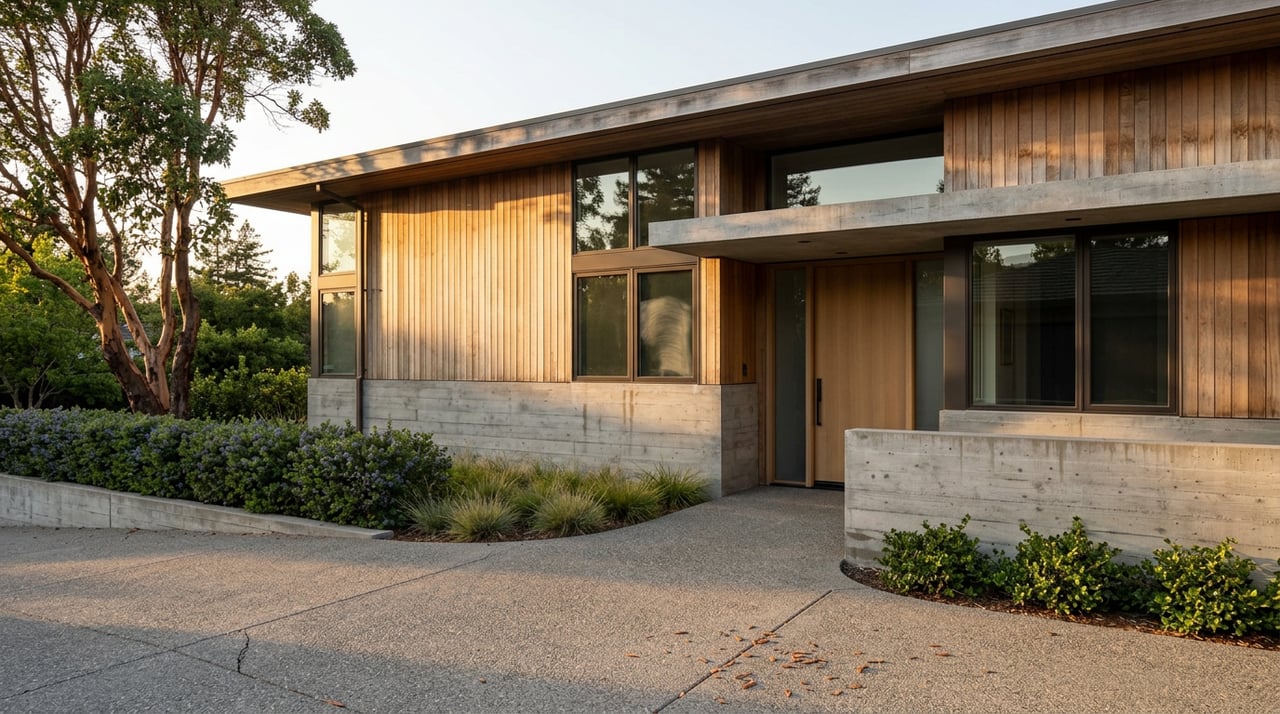
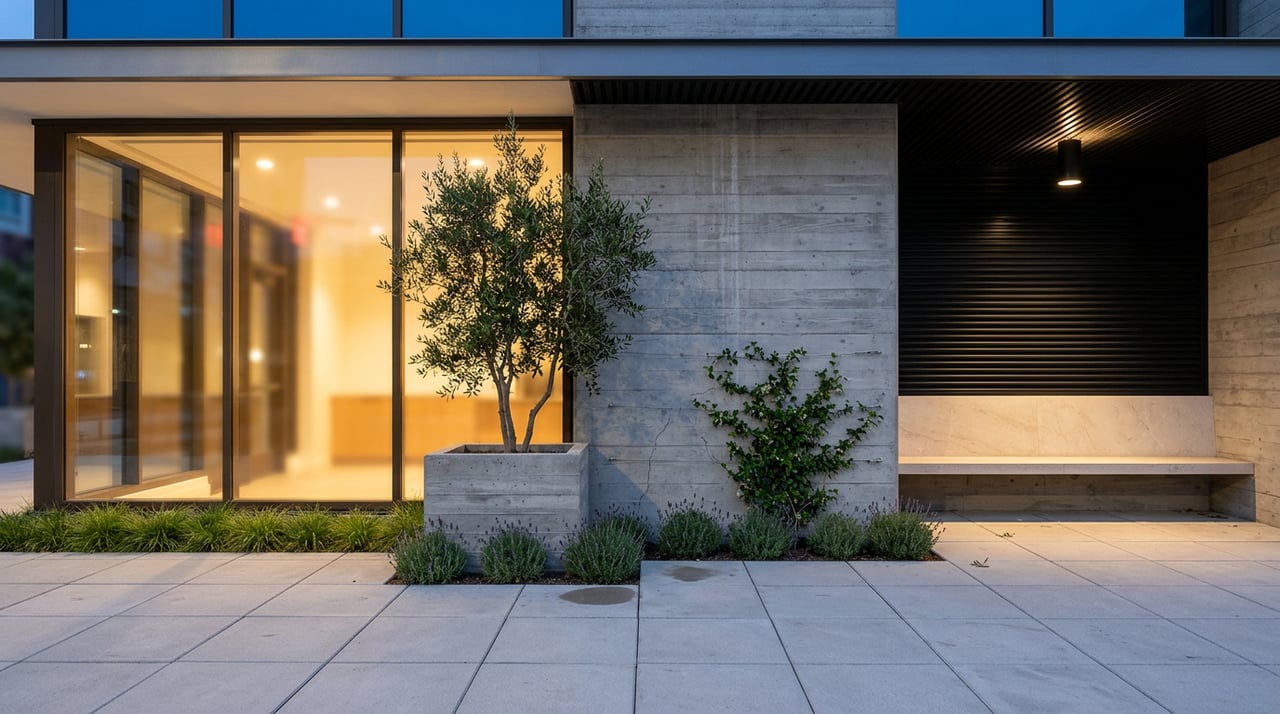
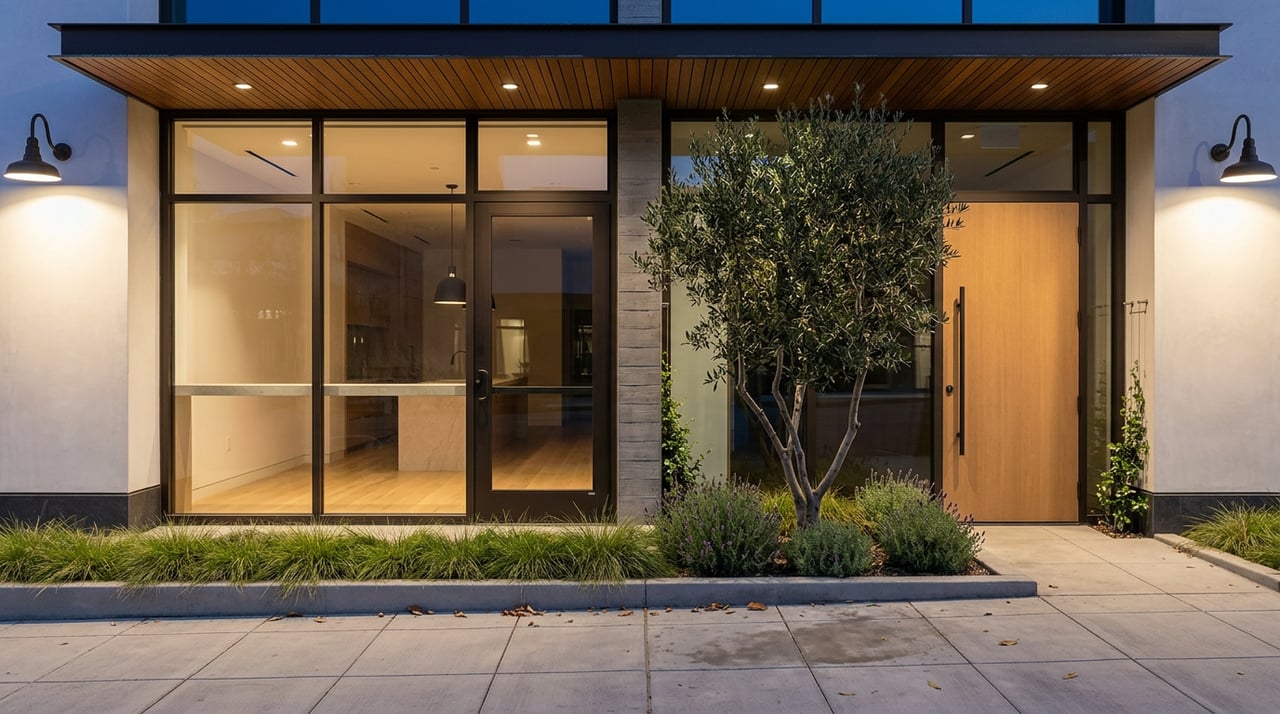
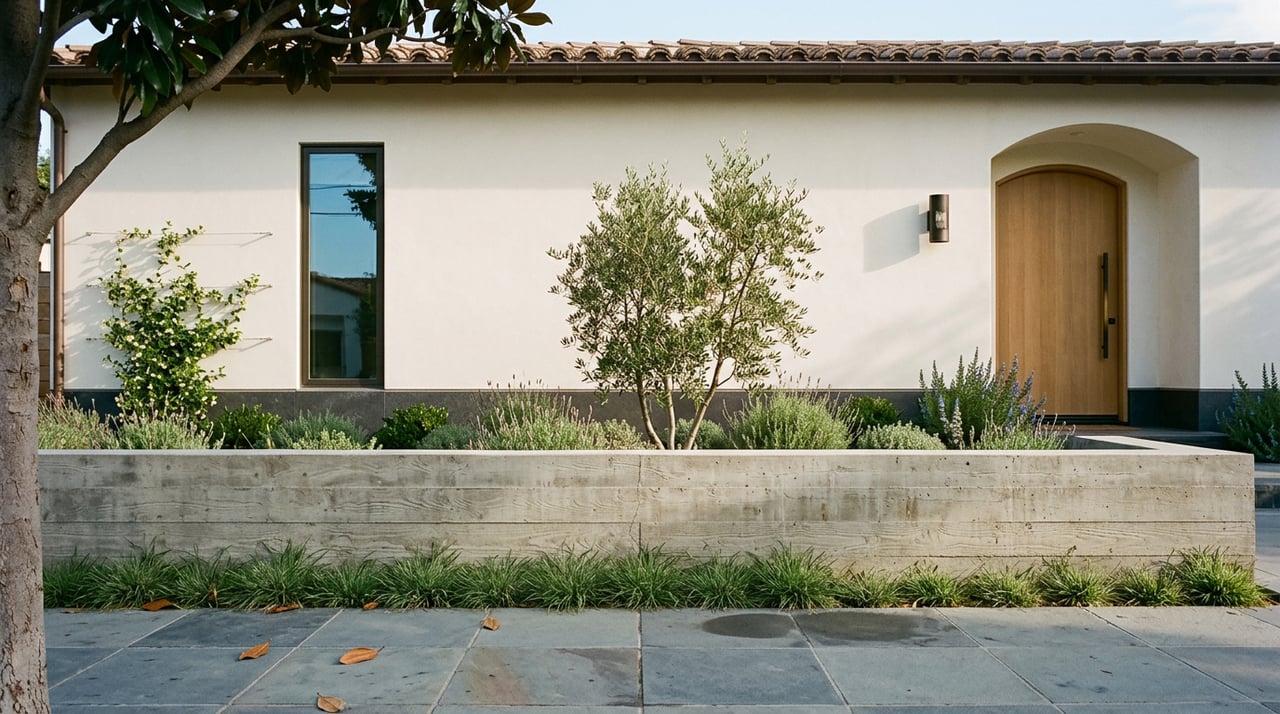
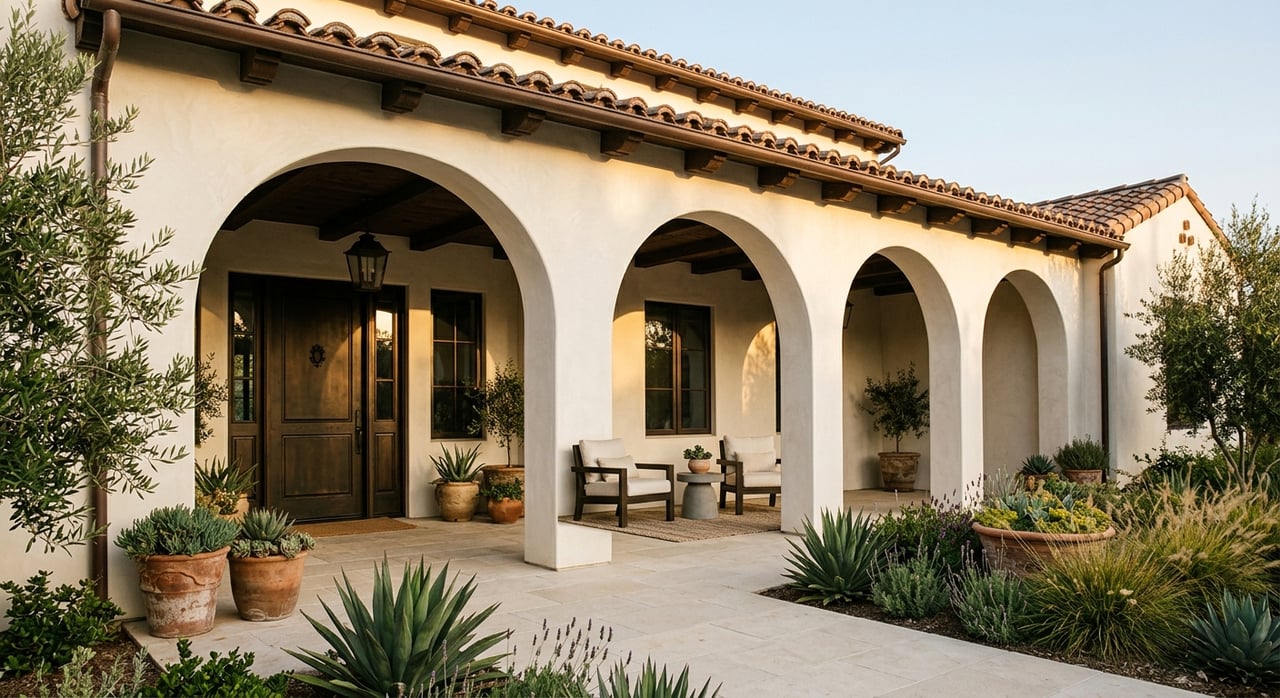
Exterior presentation matters in Burlingame because buyers often make quick decisions about whether a home feels well maintained. JLC’s 2024 Pacific region Cost vs. Value data showed especially strong recoup rates for garage door replacement, steel entry door replacement, and manufactured stone veneer.
That does not mean every seller should add stone veneer or replace every exterior element. It means highly visible exterior upgrades can influence value perception in a meaningful way. If your entry, garage door, or front landscape feels tired, those areas are often worth a closer look.
A common mistake is assuming an older kitchen or bathroom must be fully rebuilt before listing. In many cases, a clean, tasteful refresh is the better move.
JLC’s Pacific region data supports that approach. A minor kitchen remodel showed strong cost recoupment at 134.3%, while a midrange bath remodel came in at 95.6%. Those numbers suggest that measured updates can make financial sense when they improve how the home shows without turning into a full custom project.
If your kitchen is dated but functional, consider updates like:
These are the kinds of changes that can make a kitchen feel cleaner and more current. Buyers do not always need a brand-new chef’s kitchen to make a strong offer, especially if the home feels well maintained overall.
Bathrooms often benefit from the same mindset. Instead of moving plumbing or rebuilding from scratch, focus on visible improvements that create a cleaner presentation.
That may include new mirrors, updated lighting, fresh paint, regrouting, replacing dated fixtures, or swapping out a worn vanity. If the room becomes brighter and more functional without opening walls, you are often in the sweet spot for a pre-sale investment.
If you plan to list soon, major custom renovations are harder to justify. JLC’s Pacific data shows lower recoup rates for large projects, including major kitchen remodels, upscale bath remodels, primary suite additions, and bathroom additions.
Those projects may improve daily living, but they do not always translate into full resale value. They also introduce more cost, more timeline risk, and more chances for surprises once work begins.
If your listing is likely within a year, be cautious with:
These projects are often better suited for owners who plan to stay and enjoy them. For sellers, they can reduce flexibility and delay market timing without delivering a matching return.
In Burlingame, project scope matters because permit requirements can add time and complexity quickly. The city’s residential design review materials show that larger projects may require a completed project form, detailed project description, electronic plans, elevations or sections, roof plans, and in some cases renderings and landscape plans.
The city’s building permit guidance also notes that submittals can require structural calculations and energy forms. Incomplete or unclear submissions can delay processing. If your project touches plumbing, electrical, mechanical systems, or structural work, it may become more involved than it first appears.
A permit-heavy remodel can work against a near-term listing plan. You may lose valuable market timing, absorb more carrying costs, and create new disclosure items that need to be documented carefully.
That is why many Burlingame sellers are better served by staying disciplined. Cosmetic improvements can often deliver the presentation boost you want without pushing the home into a longer approval and construction cycle.
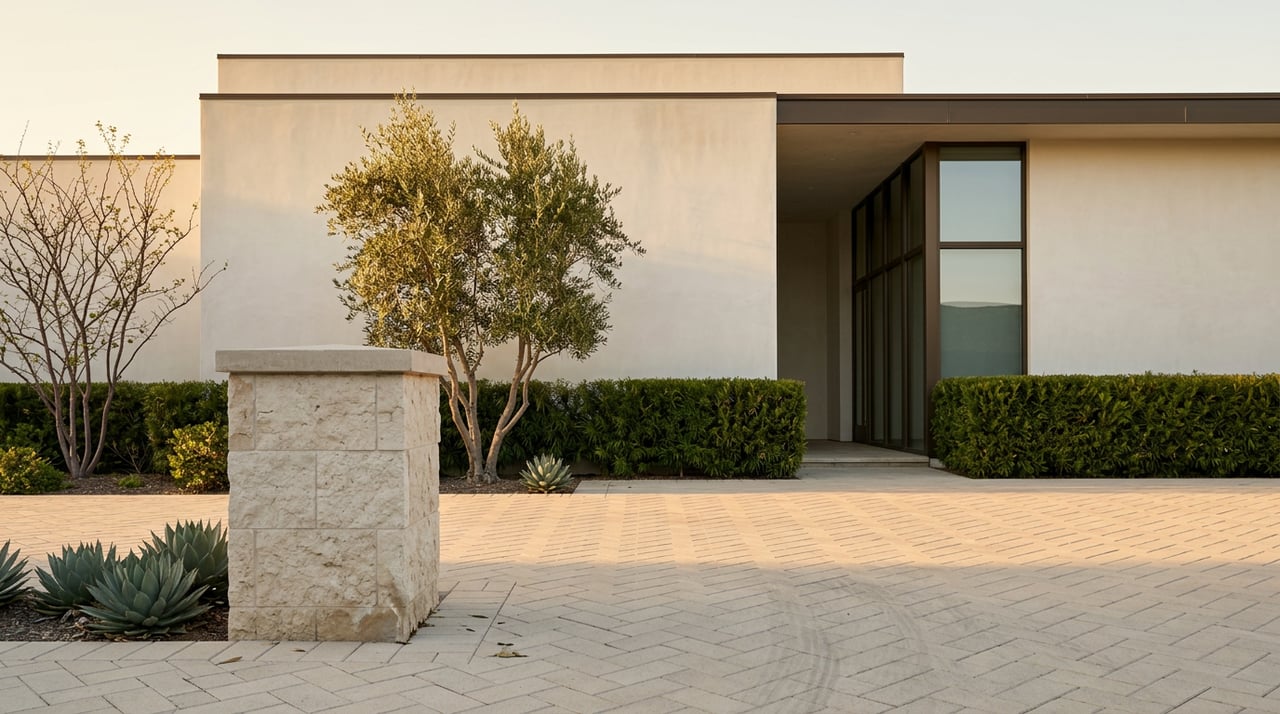
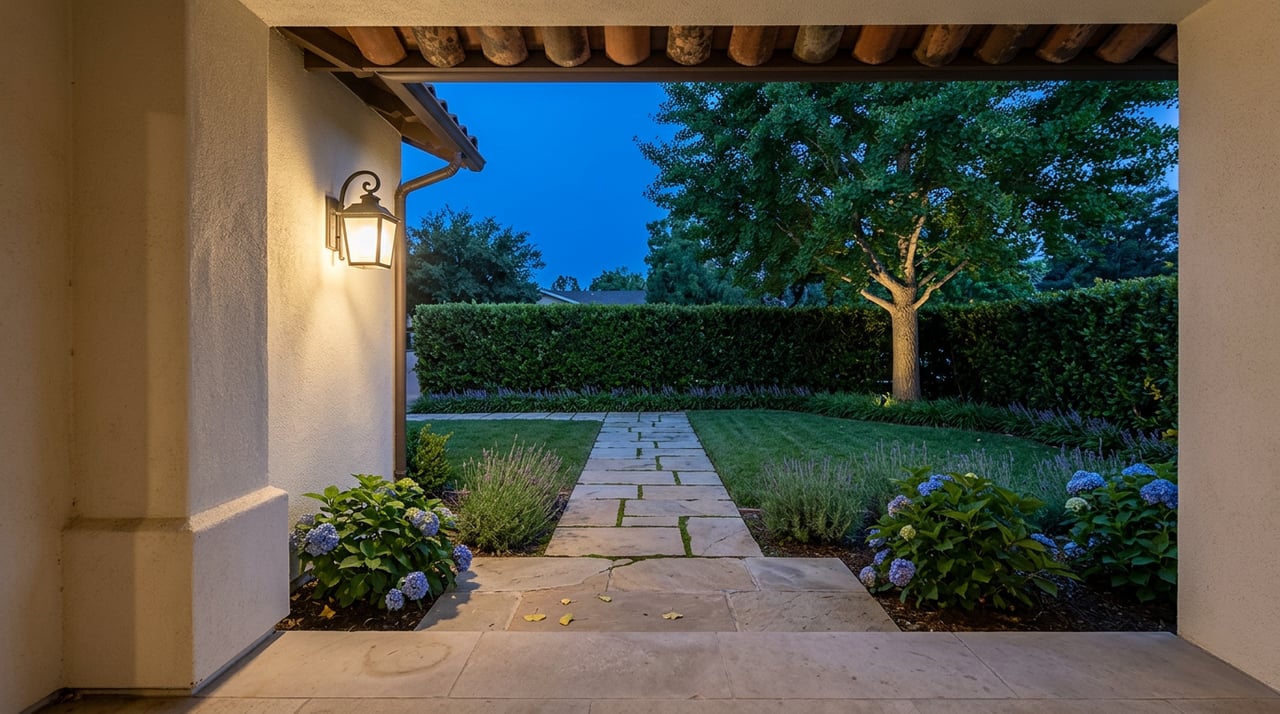
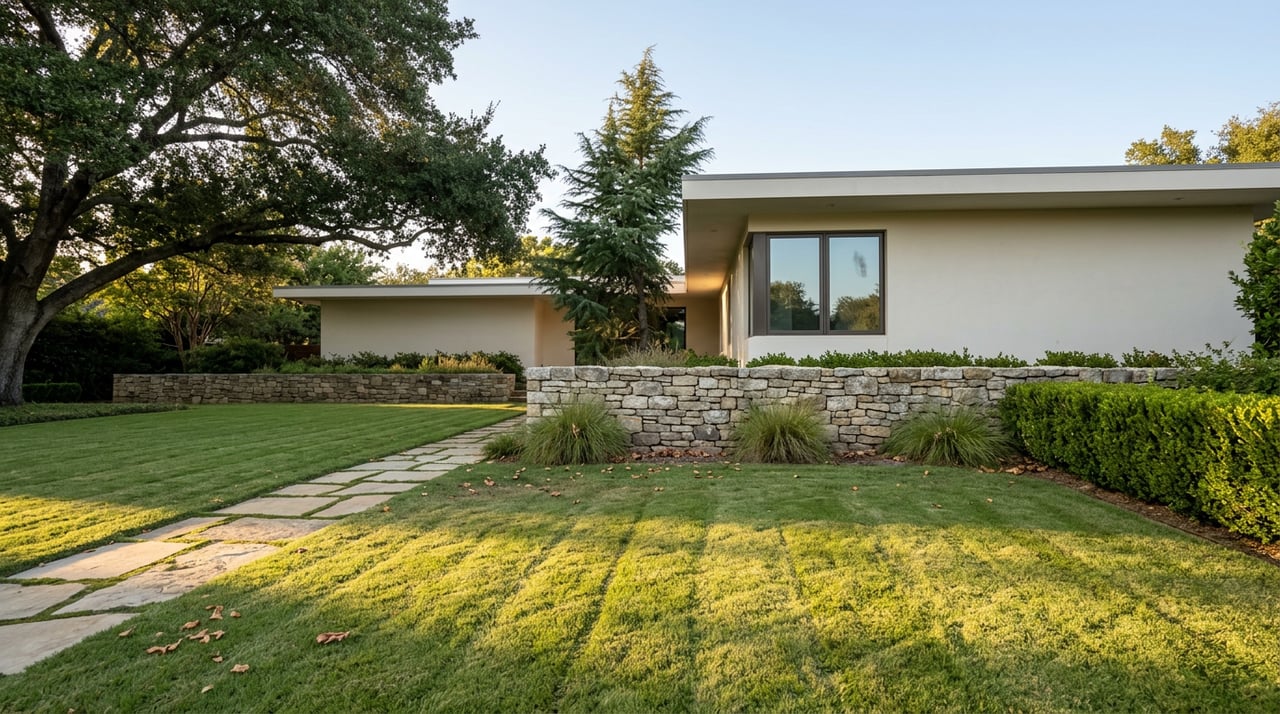
Landscaping is one of the easiest ways to improve curb appeal, but it still comes with rules. Burlingame allows landscaping, ground cover, and low shrubs up to three feet tall without a permit as long as they do not encroach on the sidewalk or street.
Tree work is a different story. The city says you may not cut, trim, prune, plant, remove, or injure city street trees without a permit, and removal of a residential protected private tree requires an application, fee, photos, and a location schematic.
For most sellers, the safest landscaping plan is simple:
This can sharpen the front-of-house impression without creating avoidable permit issues. If tree work is part of the conversation, check requirements before scheduling anything.
Pre-sale renovations are not just about design and budget. They are also about disclosures.
California Civil Code 1102 says sellers cannot waive the residential Transfer Disclosure Statement for covered residential transfers, and Civil Code 2079 requires a broker to conduct a reasonably competent and diligent visual inspection and disclose material facts affecting value or desirability. Civil Code 1103 separately addresses natural hazard disclosures.
If you complete work before listing, hold onto:
This is especially important for roof, windows, plumbing, electrical, structural, and tree-related work. Clean documentation can support smoother disclosures and help reduce buyer concerns during escrow.
If you are deciding whether to renovate, a simple framework can help:
Start with visible maintenance items or obvious defects. Buyers tend to react quickly to signs of neglect, even in a strong market.
If finishes make the home feel older than it is, focus on selective updates that improve the overall impression. Think paint, lighting, hardware, and modest kitchen or bath refreshes.
Once you alter layout, square footage, or core systems, costs and timelines usually rise. For a near-term sale, that can reduce your flexibility.
The best pre-sale improvement is often the one that makes the home easier to photograph, easier to show, and easier for buyers to understand. That is where thoughtful presentation can create real leverage.
If a project affects layout, permit status, valuation, or budget beyond a straightforward cosmetic refresh, bring in your agent before work begins. In a market like Burlingame, the right advice can help you spend with purpose instead of over-improving.
In Burlingame, you do not usually need to outbuild the market to sell well. You need a home that presents clearly, feels cared for, and gives buyers confidence that they can move forward without inheriting avoidable problems.
That is why the best pre-sale renovation plan is usually selective and disciplined. When you align updates with market expectations, permit realities, and clean disclosures, you put yourself in a stronger position to attract serious buyers and protect your bottom line.
If you are weighing pre-sale improvements in Burlingame, the right guidance can save you time, money, and unnecessary scope. The Laugesen Team can help you decide which updates are worth doing, which ones to skip, and how to position your home for a polished, high-impact launch.

At The Laugesen Team, we use our expertise and commitment to guide you toward the best possible outcome. Let’s begin your journey today.