Buying an Older Home in Burlingame With Confidence
March 26, 2026
March 26, 2026
Love the look of a deep front porch, original wood windows, and hand‑worked trim? Buying a character home in Burlingame can be incredibly rewarding, especially in neighborhoods like Easton Addition and Burlingame Park. These homes offer charm and location, but they also come with age‑related details you should understand before you write an offer. In this guide, you’ll learn what “character” means locally, which inspections to prioritize, the permits and rules to expect, and smart upgrade plans so you can buy with confidence. Let’s dive in.
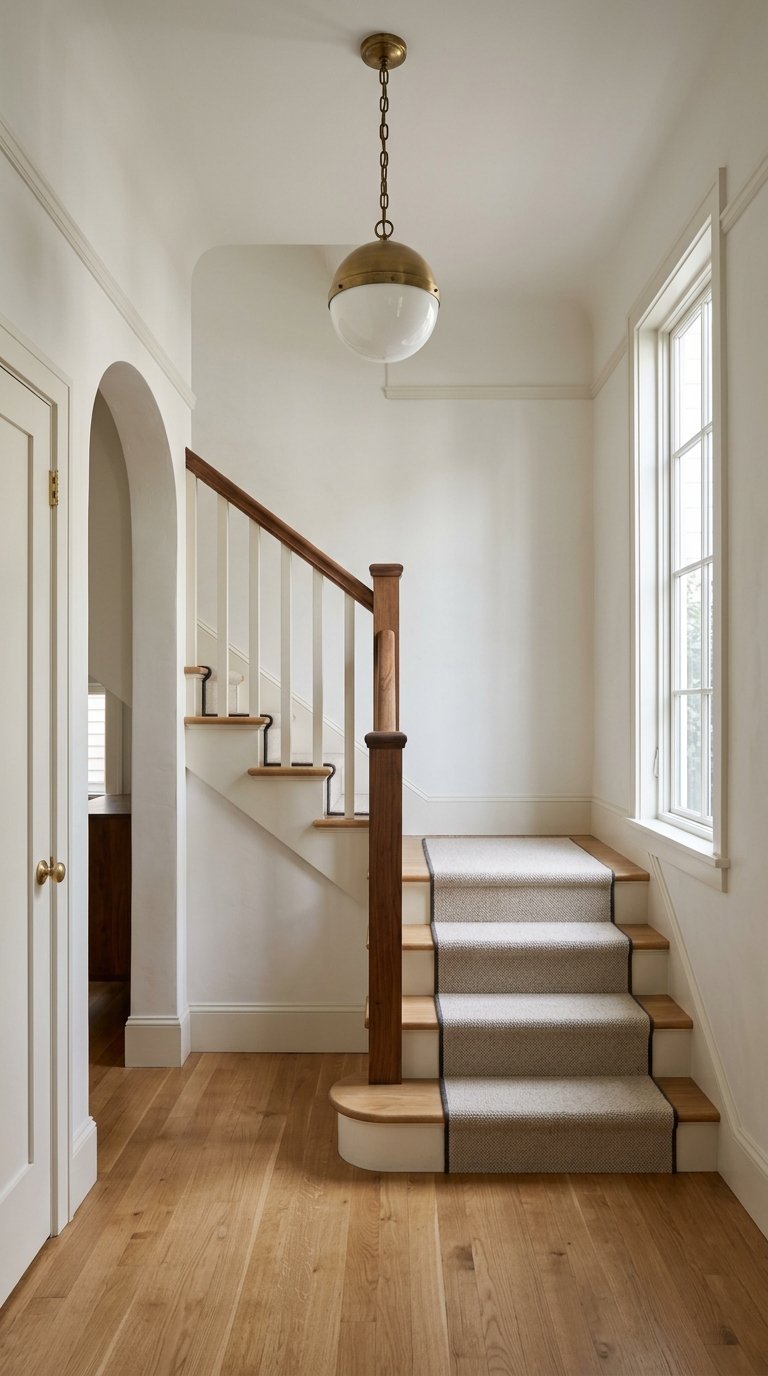
Many Burlingame blocks were platted in the early 1900s, and the city still showcases a rich collection of period houses. You’ll see Craftsman and California bungalows, along with Tudor and Colonial Revival influences, especially in Easton Addition and adjacent areas. Features that catch the eye include broad porches, detailed wood trim, original sash windows, and classic rooflines that set a timeless street scene. For added historical context, explore the resources at the Burlingame Historical Society.
Typical flat‑area lots often range from about 5,000 to 10,000 square feet, with some larger parcels on select blocks and hillsides. Zoning rules and lot coverage standards guide what you can do with additions or accessory dwelling units. If you have a specific project in mind, confirm feasibility with the City’s planning and building teams early in your process.
Older homes deserve a thorough and informed inspection plan. Beyond a standard home inspection, you’ll want targeted follow‑ups for structure, electrical, plumbing, roof, and any historic fabric you hope to preserve. A historic‑home‑savvy inspector and specialists will help you move quickly and negotiate from a position of clarity.
Many pre‑war homes were built before modern anchoring standards. Common issues include raised‑foundation or cripple‑wall vulnerabilities that increase seismic risk. A prescriptive “brace‑and‑bolt” retrofit is a proven fix for many Peninsula houses; review homeowner guidance from the California Residential Mitigation Program’s Earthquake Brace + Bolt and technical best practices in FEMA’s seismic retrofit guidelines. If your inspector flags concerns, budget for a structural engineer’s assessment.
Period homes can have older systems such as undersized panels, two‑prong outlets, or knob‑and‑tube wiring. Insurers often scrutinize obsolete wiring, which can affect coverage and closings. Ask for an electrician’s report if older wiring is present, and check insurance availability early, as local news has reported stricter underwriting for outdated systems in the region. For a primer on inspection focus, see this home inspection checklist overview, and review a local news summary on insurance impacts of knob‑and‑tube systems.
In very old homes, you may find galvanized water lines and cast‑iron or clay sewer laterals. Reduced flow, corrosion, and root intrusion are common age‑related issues. Order a plumber to run a camera through the sewer line and be ready to negotiate repairs if defects appear. Burlingame also enforces a Private Sewer Lateral testing requirement, which often triggers at sale or permit events.
Roofs on character homes may feature wood, tile, or slate, each with different life cycles and costs. Replacement and repair pricing in California tends to run higher than national averages, and specialized historic materials can add to complexity. Review typical California roof cost ranges and plan for more than one quote using this roof replacement cost guide. Also inspect gutters, flashing, and porch sills for moisture and dry‑rot.
Original wood sash windows are often repairable, especially when paired with weatherstripping and storm units. If you value authenticity, replacement is not always necessary and may require extra review in historic contexts. Preservation experts encourage repair where feasible; see the National Park Service’s Preservation Briefs for practical guidance. Get a window restoration quote before you consider full replacement.
A termite and wood‑destroying organism (WDO) inspection is standard for older wood‑framed homes along the Peninsula. Crawlspace moisture can also appear in these microclimates and deserves attention. Use the general inspection to guide which areas need deeper investigation, and consider this buyer‑focused inspection overview as a quick refresher.
The right paperwork protects your investment and prevents surprises after closing. In Burlingame, several city and state requirements commonly appear in a sale.
Confirm that major remodels and additions were properly permitted and finaled. Burlingame’s eTRAKiT system lets you search records and request details on past work. Start with the City’s Online Permitting Portal and ask the listing agent for permit numbers and final approvals.
Burlingame enforces rules for sewer lateral testing and corrective work when certain triggers occur. Before you close, verify whether testing or repairs are required and what timelines apply. Review the city’s Sewer Lateral Test Ordinance to understand obligations and negotiate accordingly.
You can expect a Transfer Disclosure Statement (TDS) and a Natural Hazard Disclosure (NHD) report as part of a standard sale. The NHD highlights mapped hazards like seismic fault zones, landslide, flood, and fire hazard areas. If the home was built before 1978, a federal lead‑based paint disclosure and pamphlet also apply. For a quick overview, see the California Association of Realtors guide to NHD.
Burlingame maintains local historic resources policies and a city register. In some cases, designated properties may be eligible for Mills Act contracts that reduce property taxes in exchange for preservation obligations. These incentives are property‑specific and require city approval, so always verify eligibility directly with the City’s historic resources staff. Start with the city’s Historic Resources overview.
Structural, electrical, plumbing, and exterior changes usually need permits. If a property has historic status or is within a district, additional design review may apply. Build time for plans, permits, and inspections into your budget and schedule, and track submittals through the Online Permitting Portal.
Character homes often need focused modernization without losing their soul. A healthy contingency and the right specialists help you balance safety, comfort, and preservation.
Seismic retrofit. A prescriptive brace‑and‑bolt retrofit for a raised‑foundation home often runs about 4,000 to 15,000 dollars in the Bay Area, depending on access and complexity. Explore how it works and check for grant cycles through Earthquake Brace + Bolt. Always get local bids.
Electrical upgrades. Panel upgrades to 200A commonly range from about 1,500 to 6,500 dollars or more, depending on utility requirements and site conditions. Whole‑house rewires are higher and scale with size and finishes. For a baseline, review this California panel upgrade cost guide, then confirm with Peninsula electricians.
Roofing and exterior work. Asphalt shingle replacements for typical homes can land in the tens of thousands locally, with tile or slate materially higher. Get at least two quotes and plan for possible sheathing or flashing upgrades. Use this California roof cost reference to frame early budgets.
Windows: repair vs. replacement. Original wood sash often can be repaired for function and comfort, sometimes paired with storms for better performance. Preservation guidance leans toward repair; read the NPS’s Preservation Briefs and consult a restoration specialist before you consider full replacements that may trigger design review.
Sewer lateral repair. If a camera inspection finds defects, repairs can range from several thousand dollars to the mid‑five‑figure range depending on distance to the main, trenching, and permitting. Some nearby cities offer cost‑sharing programs, which signals the typical scale of work; see an example from the City of San Mateo’s lateral program, then confirm Burlingame’s current rules and options.
Incentives and financing. For energy and electrification improvements, check evolving rebates and technical help through BayREN. Federal energy credits were modified in 2025; review current rules and timing on the IRS’s OBBBA guidance page. Some owners use PACE financing for seismic or energy projects; learn how assessments work with this PACE overview and disclose any liens to your lender and title company.
Tip: Because Bay Area labor and materials move fast, set a 10 to 20 percent contingency on top of quotes, and get multiple bids from vetted local contractors.
Burlingame is a high‑demand Peninsula market where single‑family home medians commonly land in the multi‑million‑dollar range. Reported estimates vary by data provider and date, so use up‑to‑the‑minute sources when you are ready to write an offer. For a snapshot perspective, you can review a recent Burlingame market overview, then confirm with your agent’s latest comp set and on‑market trends.
Buying a period home is part house hunt, part stewardship. The key is to pair your vision for the home with local due diligence, a realistic improvement budget, and the right team of inspectors and contractors. With clarity on permits, PSL rules, and historic considerations, you can preserve the character you love while updating for safety and comfort.
If you want a local, hands‑on advocate to help you sort disclosures, line up specialists, and negotiate from strength, reach out to the Laugesen Team. Our deep neighborhood knowledge, construction‑savvy guidance, and concierge‑level service make the process smoother from first tour to final close.

At The Laugesen Team, we use our expertise and commitment to guide you toward the best possible outcome. Let’s begin your journey today.