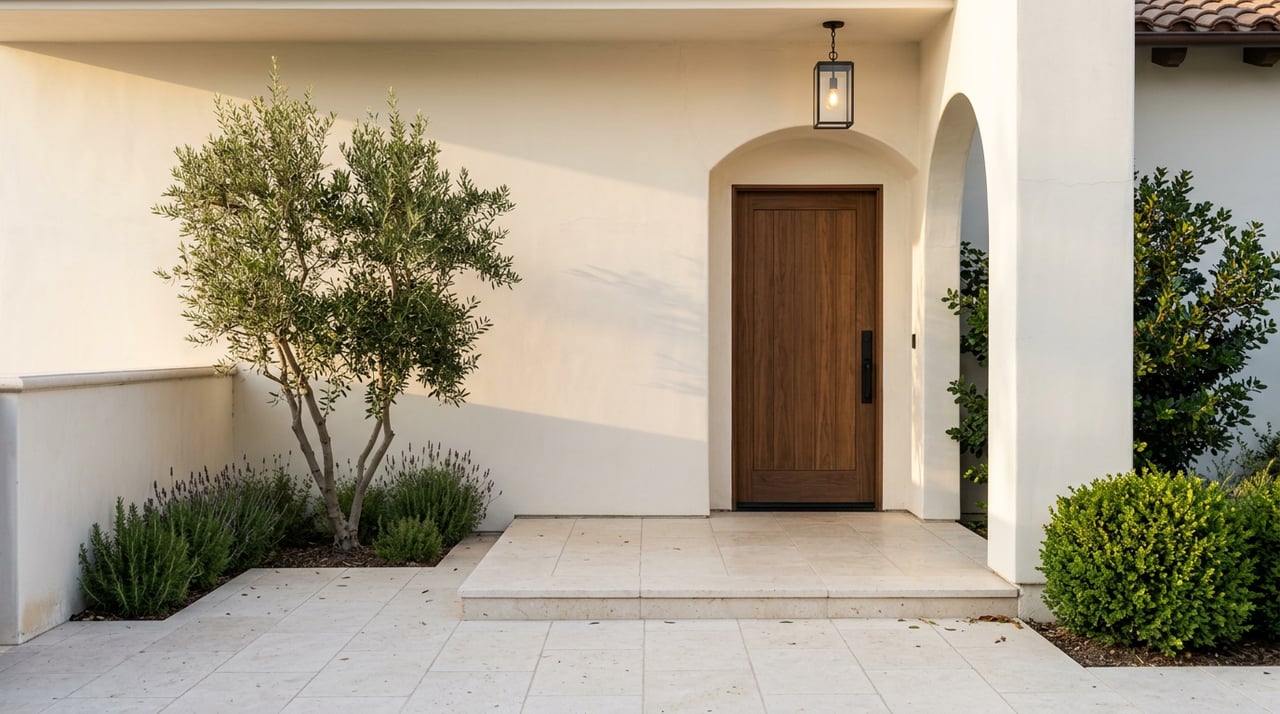
San Carlos vs Burlingame: Choosing Your Ideal Peninsula Town
March 5, 2026
March 5, 2026
Torn between San Carlos and Burlingame for your next home on the Peninsula? You are not alone. Both towns offer walkable downtowns, strong commuter access, and beautiful homes. The key is matching each place’s price patterns, commute profile, housing stock, and vibe to your priorities. In this guide, you will get clear, data-backed comparisons and a simple framework to choose with confidence. Let’s dive in.
Both towns sit in a premium price band. A stable benchmark is Zillow’s Home Value Index, which smooths month-to-month noise. As of Jan 31, 2026, the ZHVI estimates are roughly $2.57M for Burlingame and $2.30M for San Carlos. This gives you a steady comparison across cities.
Short-term medians can swing. Redfin’s January 2026 snapshot shows San Carlos with a $2,287,500 median sale price and about 35 days on market that month. Burlingame posted a lower monthly median near $1.50M in January, which is a reminder that small monthly sample sizes can skew medians. Realtor.com’s December 2025 city summaries, which focus on listing medians rather than closed sales, showed San Carlos near $1.85M and Burlingame near $1.40M. These figures reflect which homes were actively listed that month more than the whole market.
Here is how to read the data:
If you want a quick rule of thumb, Burlingame generally trends higher on broad value measures, while San Carlos is close behind. Your exact opportunity will depend on the home type, neighborhood, and current month’s inventory.
Both towns are on the Caltrain corridor, which is a major advantage for weekday commuting. Typical scheduled rides to San Francisco 4th & King are about 24 to 26 minutes from Burlingame and about 35 to 40 minutes from San Carlos, depending on the train. Always confirm current times with the official Caltrain schedules and trip planner.
If you fly often, Burlingame’s proximity to SFO is a standout. It sits roughly 3 to 5 miles from the airport, often a 5 to 10 minute drive when traffic is light. San Carlos is about 10 to 12 miles, commonly 15 to 25 minutes by car. For frequent travelers or those hosting visitors, that difference is meaningful. You can get a feel for Burlingame’s airport-side advantages on the Visit the San Francisco Peninsula Burlingame page.
Both towns have direct access to US-101 and convenient access to I-280. That makes north-south trips to Redwood City, Menlo Park, Palo Alto, and San Mateo practical by car. As always on the Peninsula, time of day drives a lot of the experience, so test your exact door-to-door route at peak hours before deciding.
Downtown San Carlos offers a compact, small-town feel along Laurel Street. You will find independent shops, restaurants, a year-round Sunday farmers’ market, and recurring community events. The city has also built a pedestrian plaza on the 700 block that focuses outdoor dining and programming, which reinforces the intimate, local vibe. To preview the experience, see the Laurel Street pedestrian plaza update. Walkability is strongest in the central blocks near Caltrain, and it softens as you move into hillier, more suburban streets. For a quick snapshot, check a sample San Carlos Walk Score view.
Burlingame brings a larger, more varied scene with two main districts. Burlingame Avenue leans upscale, while Broadway delivers a more local mix with plazas and eateries. The city is known as the City of Trees, which adds to the walkable, leafy streetscape. Proximity to SFO supports more hotels and a broader retail mix that many buyers enjoy. Explore highlights on the Burlingame overview from Visit the San Francisco Peninsula. Central Burlingame is very walkable, which can enable a car-light lifestyle. A sample Burlingame Walk Score snapshot gives you a sense of the core.
San Carlos is largely single-family, with early 20th-century bungalows and Craftsman homes closer to downtown and more mid-century ranch or split-level homes across the hillsides. Recent infill has added condos and townhomes near El Camino Real and the Caltrain station. Neighborhood names you will hear include Beverly Terrace, Cordes, Howard Park, and El Sereno. Entry-level opportunities are often in condo or townhome communities, while most single-family inventory trades in the multi-million range.
Burlingame shows broad architectural variety and notable lot options as you head into the hills. Easton Addition, Burlingame Hills, and Mills Estates feature many early 20th-century homes with Spanish Colonial Revival, Tudor, and Craftsman influences on tree-lined streets. Closer to downtown and along the flats, you will see smaller lots, plus condos and townhomes. Easton Addition and Burlingame Hills are among the higher-priced micro-markets.
Across both towns, price per square foot varies by location, lot, architecture, and condition. Core Burlingame neighborhoods can command higher $ per square foot than many San Carlos areas, while certain San Carlos pockets outperform based on views, walkability, and design quality. For a precise read, use recent local comps from your agent and focus on 12-month medians by neighborhood to smooth volatility.
Work through the same six checkpoints for both cities and weigh them by importance to you.
If immediate airport access and a robust, walkable retail core top your list, Burlingame often has the edge. If you want a charming, village-scale downtown with active community programming and a similar price band, San Carlos deserves a close look. In both towns, your best result comes from matching budget, commute, downtown lifestyle, and micro-market dynamics to the right street.
Ready to compare neighborhoods, refine your budget, or design a two-city tour that fits your goals? Reach out to the Laugesen Team for concierge-level guidance and local pricing insight.

At The Laugesen Team, we use our expertise and commitment to guide you toward the best possible outcome. Let’s begin your journey today.