Leave a Message

By providing your contact information to The Laugesen Team, your personal information will be processed in accordance with The Laugesen Team's Privacy Policy. By checking the box(es) below, you consent to receive communications regarding your real estate inquiries and related marketing and promotional updates in the manner selected by you. For SMS text messages, message frequency varies. Message and data rates may apply. You may opt out of receiving further communications from The Laugesen Team at any time. To opt out of receiving SMS text messages, reply STOP to unsubscribe.

Thank you for your message. We will be in touch with you shortly.

Relocating to Hillsborough: What to Expect

January 8, 2026

Thinking about moving to Hillsborough? You’re likely weighing privacy, yard space, commute time, and how the town’s neighborhoods differ from one another. Relocating can feel complex on the Peninsula, especially when you want to make one confident decision. In this guide, you’ll learn what to expect in Hillsborough’s micro-markets, commute options, services, real ownership costs, due diligence, and the timeline that keeps a move on track. Let’s dive in.

Why Hillsborough stands out

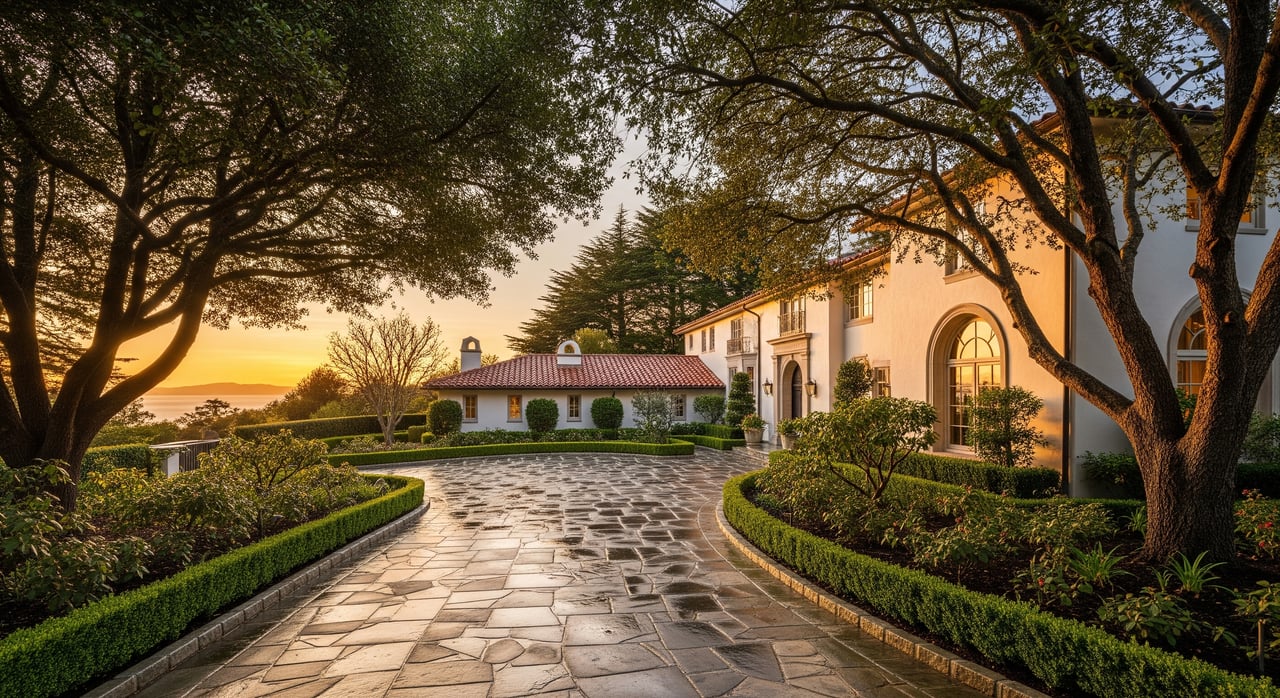
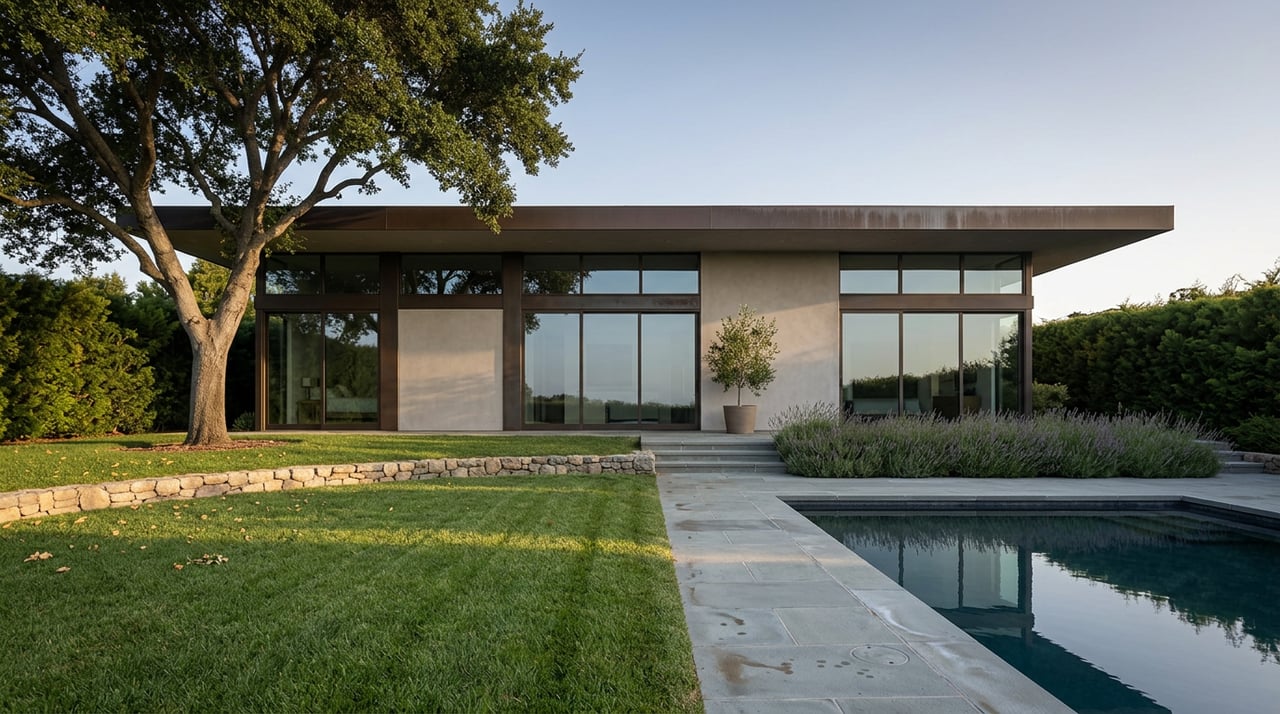
Hillsborough is a primarily residential town on the San Mateo Peninsula known for large lots, mature landscaping, and privacy. Homes range from historic estates to modern rebuilds and high-end renovations, often with pools, guest houses, and multicar garages. You will not find much commercial zoning here, so the day-to-day feel is quiet and residential.

Large lots offer space and privacy, but they also bring higher maintenance. Landscaping, pool care, and tree management can be meaningful recurring costs. If a property sits on a slope or includes heritage trees, you may encounter local rules for setbacks, hillside work, or tree protections. Plan to verify these items early if you intend to renovate.

Match your goals to micro-markets

Hillsborough is not one uniform market. Different pockets align to different priorities. Mapping your needs to the right area will save time and stress.

Estate and hillside properties

These neighborhoods feature larger parcels, pronounced topography, and significant privacy. They appeal if you want acreage, views, and on-site amenities. The tradeoff is higher site maintenance and more involved due diligence, including geotechnical and drainage considerations.

Classic period homes near town borders

You’ll find older, architecturally distinctive homes on substantial lots in areas that sit near Burlingame or San Mateo. These appeal if you value character, tree-lined streets, and shorter drives to adjacent dining, shops, or Caltrain stations. Expect case-by-case renovation needs and potential design review if you plan updates.

Rebuild or modernization opportunities

Throughout Hillsborough, buyers purchase older homes for significant remodels or full rebuilds. This path fits if you want a contemporary layout on a premium lot. Plan for a thorough permitting and design-review process, and budget extra time for hillside or engineering work as needed.

Edge and infill neighborhoods

Closer to major roads or the Burlingame/San Mateo borders, lots can be smaller relative to the Hillsborough average with slightly quicker access to freeway connectors and nearby services. These pockets are popular if you want easier airport or train access while still enjoying the town’s residential feel.

Commute and airport access

I-280 vs US-101

I-280 offers a scenic inland route many use for San Francisco and northern Peninsula commutes. It often feels less congested and has fewer on/off points. US-101 is typically faster for South Bay and southern Peninsula destinations. Your best route depends on your destination and the time of day.

Caltrain, SamTrans, and employer shuttles

Hillsborough does not have its own Caltrain station. Residents usually use nearby stations in Burlingame or Millbrae and may combine driving, rideshare, or employer shuttles. If transit is part of your plan, factor last-mile logistics and parking.

Test-drive your route

Before you commit, drive your actual commute during your normal schedule, both morning and evening. Check guest parking, driveway access, and whether proximity to highways affects noise or air quality at the property. If you travel often, do a trial run to SFO at typical departure times.

Schools and local services

Public and private school options are available in and around the Peninsula. Assignments and boundaries can vary by address, so you should verify school assignments with the local district before you make an offer. Proximity to elementary or middle schools and the commute to a chosen high school may influence your neighborhood selection.

Because Hillsborough is largely residential, you will drive to nearby Burlingame, San Mateo, or Millbrae for most shopping and dining. Parks, country clubs, private recreation facilities, and open-space areas are accessible in the broader area. Availability and drive times vary by neighborhood.

Real costs of large-lot living

Large lots, mature trees, and pools are part of Hillsborough’s appeal. They also add ongoing costs and planning:

  • Landscaping and irrigation. Routine care, seasonal projects, and water use are higher on bigger parcels.
  • Pools and outdoor amenities. You may have regular service, heating, and long-term equipment updates.
  • Trees and slope management. Mature trees may require professional pruning, and hillside parcels benefit from proactive drainage and erosion checks.
  • Utilities and insurance. Expect higher utility usage and, in some cases, additional mitigation or coverage needs for hillside or older structures.

Renovation and permitting essentials

If you plan to update, rebuild, or add on, confirm local permitting requirements early. Many projects go through design review and may include neighbor notification. Hillside work often involves engineering and geotechnical reports. Tree protections can shape your site plan, and certain heritage trees may require preservation or specific arborist guidance. Always confirm utility connections and capacity before design decisions. Early conversations with the Town’s planning and building departments help you scope timeline and feasibility.

Due diligence checklist for buyers

Use this checklist within your contingency windows to reduce surprises:

  • Full home inspection and pest report.
  • Roof, HVAC, plumbing, and electrical review.
  • Drainage assessment; geotechnical report for hillside or retaining-wall sites.
  • Arborist report for significant trees, risks, and pruning or preservation requirements.
  • Foundation and seismic evaluation for older homes.
  • Sewer or septic inspection and verification of sewer connection status.
  • Title review: taxes, bonds, special assessments, and any recorded easements or access agreements.
  • Privacy and security evaluation: sightlines, setbacks, landscaping, and gate maintenance responsibilities for gated properties.
  • Noise and environmental factors: assess highway or airport impacts on-site at different times of day.

Buying timeline you can follow

Relocating buyers in Hillsborough typically benefit from a structured plan and extra time for large-lot due diligence.

  • Pre-search (2+ weeks)

    • Secure lender pre-approval or proof of funds, including cross-state or international financing needs.
    • Engage a local agent experienced in Hillsborough micro-markets and constrained-inventory strategies.
    • Create a priorities matrix: must-haves (lot size, commute window, school considerations), nice-to-haves, and deal-breakers.
  • Active search (4 to 16 weeks typical)

    • Inventory can be limited and specific; many searches run 3 to 6 months.
    • Tour at commute times and on weekends to understand neighborhood flow and access.
    • When a good fit appears, be prepared to move quickly while keeping your due diligence plan intact.
  • Offer and escrow (30 to 45 days common)

    • Include appropriate contingencies: inspection, loan, appraisal if financing, and title.
    • For rebuilds or significant renovations, consider extended periods for geotechnical or architectural review as negotiated.
  • During contingencies

    • Complete core inspections and reports noted in the checklist.
    • Verify school assignments and transportation options tied to the property address.
    • If remodeling, consult planning and building staff to confirm feasibility and steps.
  • Close and move

    • Plan move logistics around driveway access, slope, or narrow streets.
    • If you receive corporate relocation benefits, coordinate temporary housing and storage as needed.

Quick decision guide: which area fits you

  • You want maximum privacy and on-site amenities.
    • Consider the estate and hillside pockets; plan for site maintenance and geotechnical review.
  • You value character homes and quick drives to adjacent services.
    • Explore classic period-home areas near the Burlingame or San Mateo borders.
  • You plan to rebuild or significantly modernize.
    • Target rebuild opportunities on strong lots; confirm design review and hillside rules early.
  • You prioritize shorter drives to Caltrain, freeways, or SFO.
    • Look at edge and infill neighborhoods closer to major roads or town borders.

Work with local expertise you can trust

Hillsborough rewards careful planning and local insight. You will balance privacy, commute, school verification, and site-specific due diligence to land on the right fit. A boutique, hands-on approach helps you navigate limited inventory, coordinate inspections, and plan any renovation or new-construction path with confidence.

If you are ready to explore Hillsborough’s micro-markets or want a tailored plan for your move, connect with the Laugesen Team for neighborhood-savvy guidance, white-glove coordination, and a smooth path from search to close.
FAQs

How long does a Hillsborough relocation search usually take?

  • Many buyers plan for 3 to 6 months due to limited inventory and specific lot preferences, with flexibility to move faster or broaden criteria if competition increases.

What commute routes serve Hillsborough for San Francisco or Silicon Valley?

  • Most drivers use I-280 or US-101 depending on destination and time of day, and results vary with traffic conditions.

Is there a Caltrain station in Hillsborough?

  • No; residents typically use nearby stations in Burlingame or Millbrae and should plan for last-mile travel and parking.

How do public school assignments work in Hillsborough?

  • Assignments can vary by address, so verify details with the local district before you make an offer or finalize a move.

What maintenance costs are typical for large-lot homes in Hillsborough?

  • Expect higher ongoing costs for landscaping, pools, tree care, and utilities compared with smaller parcels, plus periodic larger projects.

What inspections are most important for hillside or older homes?

  • Prioritize structural, pest, roof, drainage, geotechnical, arborist, and sewer or septic reviews, with foundation and seismic checks for older houses.

How close is Hillsborough to SFO for frequent flyers?

  • It is a short drive, but timing depends on traffic; test typical airport runs during your regular travel windows.

Can I rebuild or expand after I buy in Hillsborough?

  • Many projects require design review and permits, so contact the Town early to confirm requirements, especially for hillside work and tree protections.

Exceptional homes. Extraordinary service.

At The Laugesen Team, we use our expertise and commitment to guide you toward the best possible outcome. Let’s begin your journey today.